What stops working during a power outage? The short answer: more than many people think. Heating, water supply, cell service, landline, and card payments at the checkout are usually all affected, because they depend on electrically powered technology. If you know this in advance, you can prepare deliberately instead of having to improvise in an emergency.
What Stops Working During a Power Outage? The Key Areas at a Glance
According to the BBK (Germany’s Federal Office of Civil Protection and Disaster Assistance), during a power outage the heating, refrigerator, stove, and lights stop working, since most modern heating systems rely on electric controls. Internet, cell service, and ATMs are also affected. In apartment buildings, elevators, intercoms, and electric door openers go down as well, as the Verbraucherzentrale (German consumer advice center) explains. The following sections go through each area in detail.
Does a Gas Furnace Work During a Power Outage?
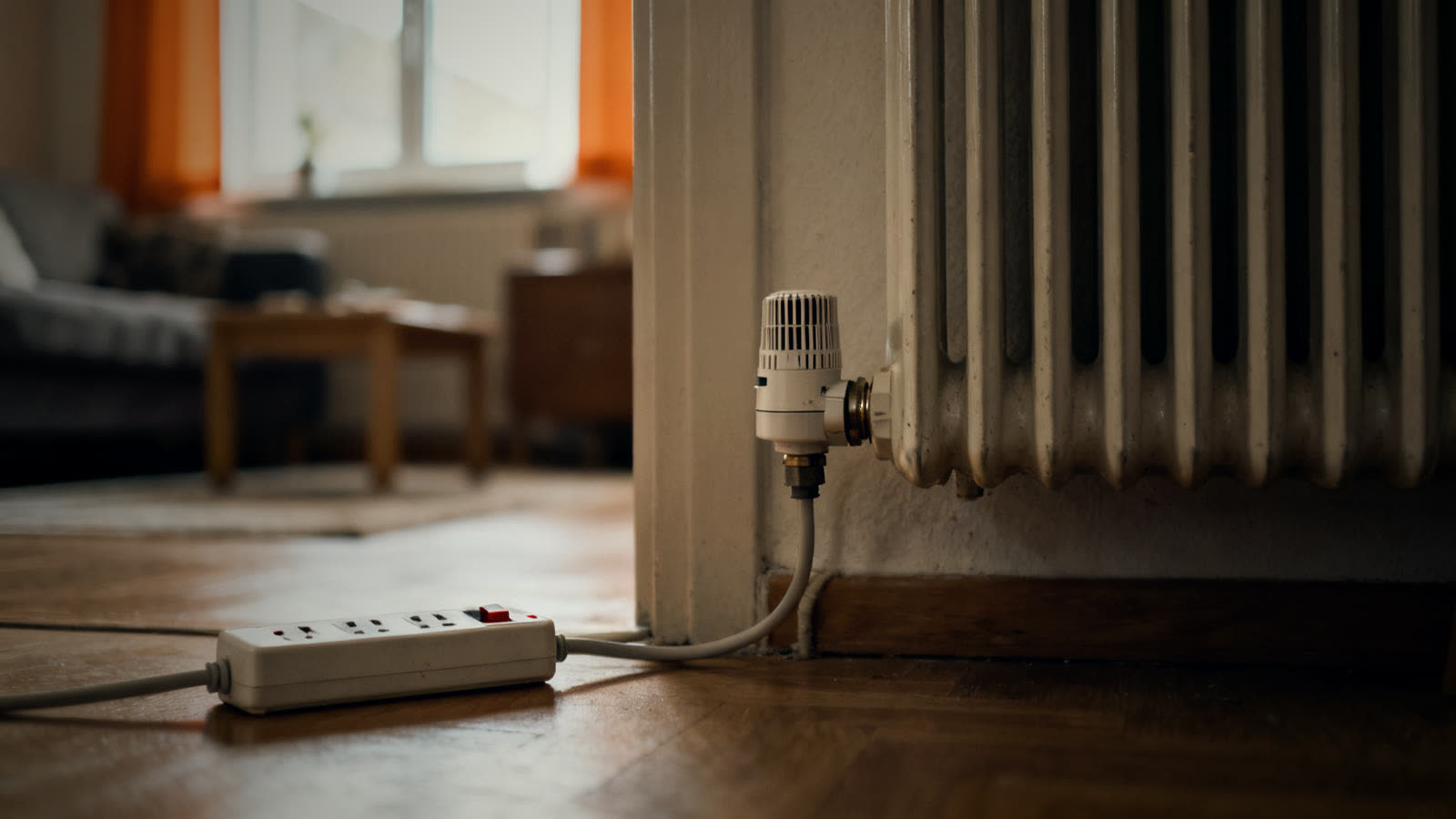
Most modern heating systems, including gas furnaces, rely on electric controls. When the power goes out, the heating usually fails too, even if gas is still available. Pumps, ignition, and control systems need electricity to operate. The ADAC (Germany’s automobile club) confirms this: according to the ADAC, many heating systems only work with electricity and fail during a blackout.
Along with the heating, the refrigerator, stove, and lights also stop working, according to the BBK. If you want to prepare for a heating failure, you’ll find concrete steps in the article How to keep your home warm when the heating fails.
Alternative Heat Sources
For heating failures, the BBK recommends keeping a supply of coal, briquettes, or firewood for fireplaces and stoves. For alternative heat sources, the BBK also recommends carbon monoxide alarms, because improper use can be life-threatening. More on this in the article Carbon Monoxide: The Invisible Danger of Emergency Heaters.
Water During a Power Outage: What Happens to the Tap?
Whether water still comes out of the tap depends on the local infrastructure. According to the BBK, without electricity no water usually comes out of the tap, because the pumping and delivery systems of the water supply need power. The Verbraucherzentrale puts this in somewhat more nuanced terms: heating systems don’t work without electricity, so hot water is lost, but according to the Verbraucherzentrale the water supply itself usually remains available. The two sources refer to different scenarios: how badly an outage affects your own water supply depends on the specific pumping system in your area. When in doubt, you should assume a possible outage as a precaution.
For a power outage, the Verbraucherzentrale recommends a supply for 3 to 5 days, including at least 2 liters of water per person per day. For exactly how much you should plan for, see How Much Drinking Water Do I Need in an Emergency?. For proper storage, the article How to Store Drinking Water Properly can help.
Cell Service During a Power Outage: Does Mobile Internet Still Work?
According to the BBK, internet and cell service go down during a power outage. The cell towers themselves need electricity, and their backup power is limited in duration. Even if your phone still has battery, it can’t make calls or access mobile internet without a working network.
Landline During a Power Outage
The landline is affected as well. According to the Verbraucherzentrale, internet routers and often phone lines go down during a power outage. Classic phone lines with their own power supply have become rare, and most of today’s connections run through routers, which don’t work without electricity.
If neither cell service nor landline works, take a look at Staying Informed Without Internet and PMR and Freenet Radios for Emergencies.
Card Payments During a Power Outage: Can You Still Pay at the Checkout?
According to the Verbraucherzentrale (German consumer advice center), card payments and ATMs often don’t work reliably during a power outage. The BBK (Germany’s Federal Office of Civil Protection and Disaster Assistance) confirms that ATMs do not work during a power outage. Checkout systems in stores also run on electricity and are affected as well – a purchase by card simply can’t be completed.
- Card payment at the checkout: usually not possible
- ATMs: do not work
- Online banking: not available because the internet is down
The Verbraucherzentrale therefore advises keeping cash in small bills at home, since card payments can’t be relied on during a power outage. How much cash makes sense is explained in Cash Reserve for Emergencies.
What Else Stops Working: Elevators, Door Openers, Intercoms
In apartment buildings especially, it’s often underestimated how much depends on building systems. According to the Verbraucherzentrale, elevators, intercoms, and electric door openers can fail during a power outage. If you live on an upper floor or have family members with limited mobility, you should factor this into your planning – for example, by making sure stairwells remain safe to use without an elevator and by asking visitors to announce themselves beforehand.
Causes of Power Outages
Power outages don’t only result from severe weather. According to the BBK, causes include line damage from accidents, construction work, and severe weather such as storms, flooding, snowfall, or avalanches, as well as sabotage or cyberattacks on power utilities. The cause often affects how long an outage lasts – and for private households, this is usually not predictable.
How to Prepare for a Power Outage
For communication and payments, the BBK recommends charged batteries, a battery-powered or hand-crank radio, and cash. For an emergency kit covering 10 days, the ADAC (German automobile club) recommends, among other things, 20 liters of water per person, food that needs no refrigeration or cooking, LED flashlights or headlamps, warm blankets and sleeping bags, camping stoves, hand-crank radios, power banks, pre-installed emergency apps, a first aid kit, and disinfectant.
You’ll find specific steps for the first few hours in Power Outage: How to Act in the First 24 Hours. For powering small devices, take a look at Power Station or Power Bank – Which Do I Need?. If you’d like to follow the BBK checklist, you’ll find a detailed overview in the article The 10-Day Emergency Supply According to BBK Recommendations.
Frequently Asked Questions
What stops working first in a power outage?
According to the BBK, lights, refrigerator, stove, and heating usually fail immediately, since they depend on electric controls or directly on electricity.
Does a gas heating system work during a power outage?
Usually not, since gas heating systems also need electric controls for ignition and pumps.
Can I still make phone calls during a power outage?
Mobile service and often landlines go down as well, since cell towers and routers need electricity.
Will I still have running water during a power outage?
That depends on your local water supply: According to the BBK, the water supply can fail completely, while the Verbraucherzentrale says water supply continues in many cases – hot water will fail in any case. Having your own supply is therefore a good idea.
Can I still pay by card at the supermarket?
Usually not, since checkout systems and card payments require electricity – cash is therefore the safer option.
What to do now
Get an overview of which of the areas mentioned – heating, water, communication, payment – would be most critical in your household, and start your preparations right there. A battery-powered radio, some cash, and a water supply for several days are a solid first step that takes little effort.
Sources and further information
General information, no substitute for individual advice from authorities, emergency services or medical professionals. In an emergency in Europe: 112.