Food & Supplies
Emergency Supply for Babies and Toddlers: What You Need
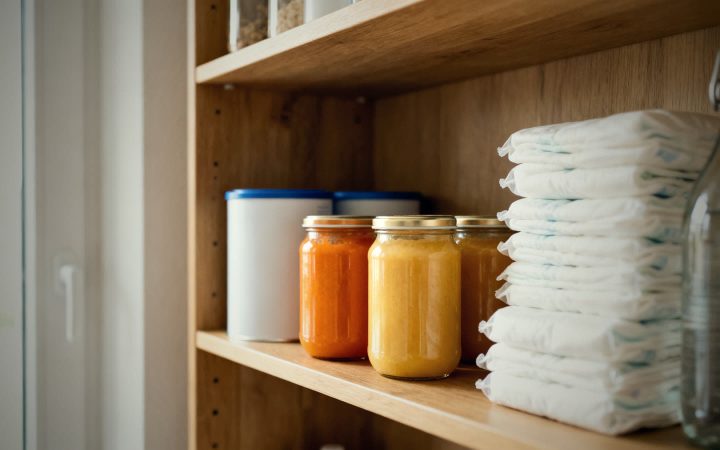
With a baby or toddler, your emergency supply needs special attention to food, water, and hygiene. Find out what extra items you should plan for ten days.
Topic
📌 Part of the guide: Building Your Emergency Supply Kit: A 4-Step Guide to 10 Days of Readiness
Ten-day emergency food supply, rotating stock, cooking without power, and long-life foods: build your stockpile calmly and methodically.
With a baby or toddler, your emergency supply needs special attention to food, water, and hygiene. Find out what extra items you should plan for ten days.
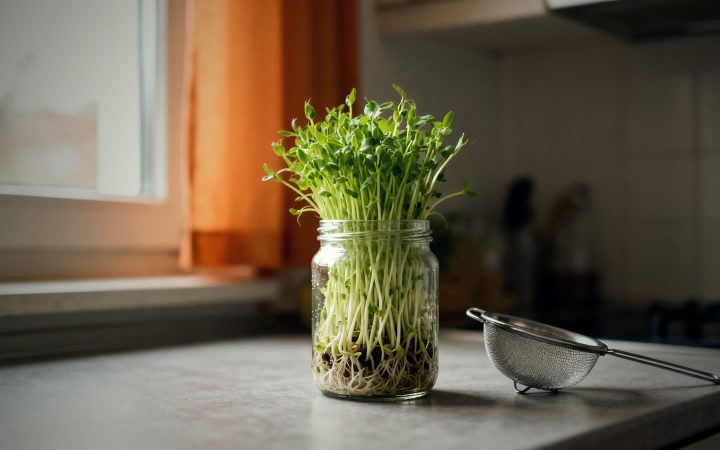
Fresh greens from a jar: Learn how to grow sprouts step by step, which seeds are suitable, and what hygiene rules you need to follow.
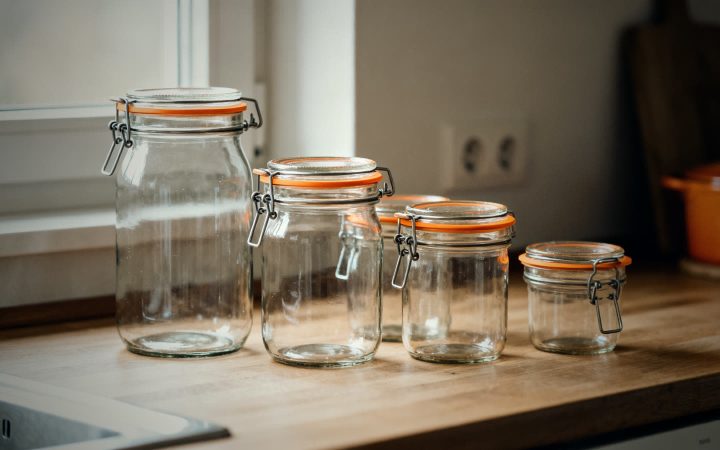
Preserve fruit and vegetables at home by canning: suitable jars, processing times and temperatures, lid inspection, reprocessing, and storage overview.
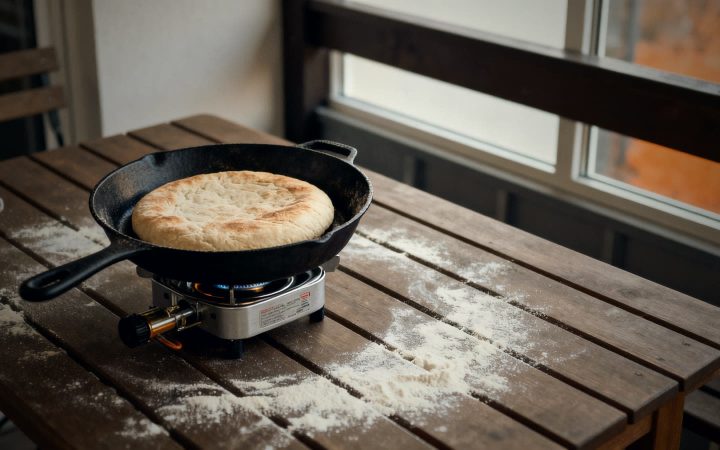
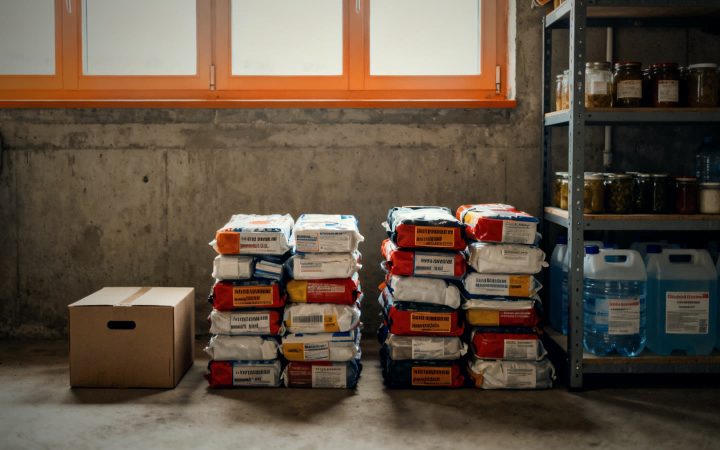
Without an oven, you don't have to skip bread: pan bread and flatbread work on a stove. Plus: store flour and grains so your supply stays fresh for months.
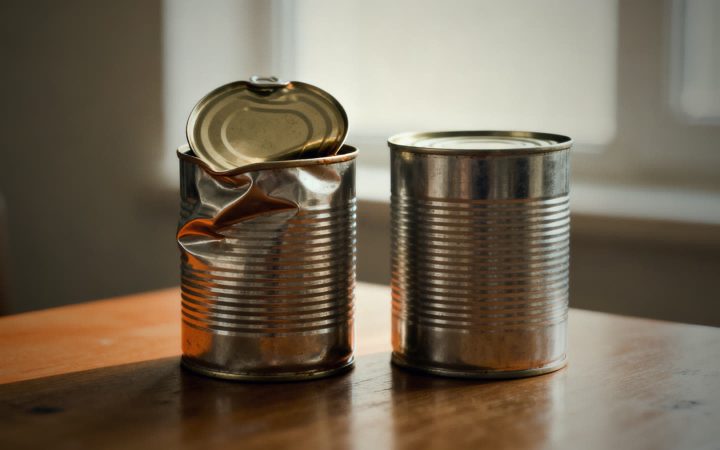
The best-by date is not an expiration date. Here's how to check canned goods after the date passes, spot warning signs, and know when a can belongs in the trash.
A vegetarian emergency food supply follows a 10-day chart for one person. Here you'll find the quantities, protein sources, and how to adapt the chart to your needs.
Regional weather alerts on 10/17/2026 are a good reason to calmly review your supplies and power outage equipment. Three steps you can tackle today.
Which foods taste good cold, keep without refrigeration, and are filling? Ideas for an emergency food supply that works without a stove during a power outage.
What does a 10-day emergency food supply really cost? A price comparison between building your own and buying ready-made emergency kits.
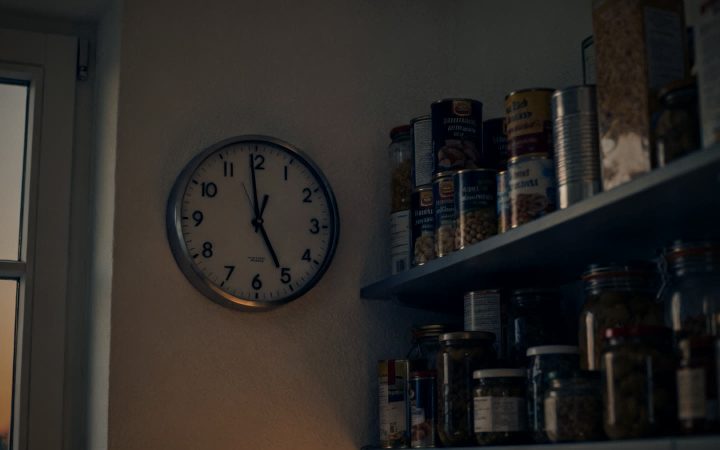
When the clocks change, check your emergency supplies, batteries, and smoke detectors. A simple routine that's easy to remember and hard to forget.
The EU says 72 hours, while the BBK (Germany's Federal Office of Civil Protection and Disaster Assistance) recommends 10 days. Here's why both numbers are right and how to combine them in your emergency supplies.
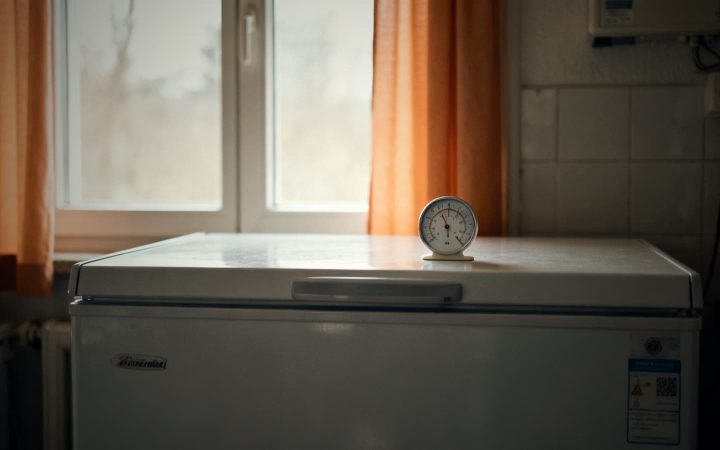
Find out what stays safe in your freezer and fridge during a power outage, what thaws, and what you should throw out if in doubt.