📌 Part of the guide: Building Your Emergency Supply Kit: A 4-Step Guide to 10 Days of Readiness
Building a vegetarian emergency food supply is absolutely possible: The food preparedness section provides a dedicated supply table for this purpose that applies to ten days for one person. It is based on 2,200 kilocalories per day and includes eggs and dairy products but no canned meat. Here you can see the quantities and learn how to adapt the table to your diet.
Many people think of a food supply mainly in terms of ravioli, stew with sausage, and canned fish. That doesn’t have to be the case. For people who avoid meat, there is a table that shows an alternative approach. In this article, we’ll go through it step by step: quantities, protein sources, adaptations for a vegan diet, water, storage, and costs.
Vegetarian emergency food supply: the foundation of the supply table
The food supply table for vegetarian nutrition applies to ten days for one person and is based on 2,200 kilocalories per day. This aligns with the BBK’s (Germany’s Federal Office of Civil Protection and Disaster Relief) recommendation to stock food supplies for at least ten days if possible. Even a three-day supply can already make a significant difference. If you’re planning for multiple people, scale the quantities accordingly.
Important to know: The table is based on ovo-lacto-vegetarian nutrition, meaning it includes eggs and dairy products. It can be adjusted according to your individual needs. This is your adjustment lever if you have food intolerances, different preferences, or follow a vegan diet. The quantities serve as a reference framework that you can tailor to yourself and your family.
Quantities at a glance
For ten days and one person, the table lists these quantities:
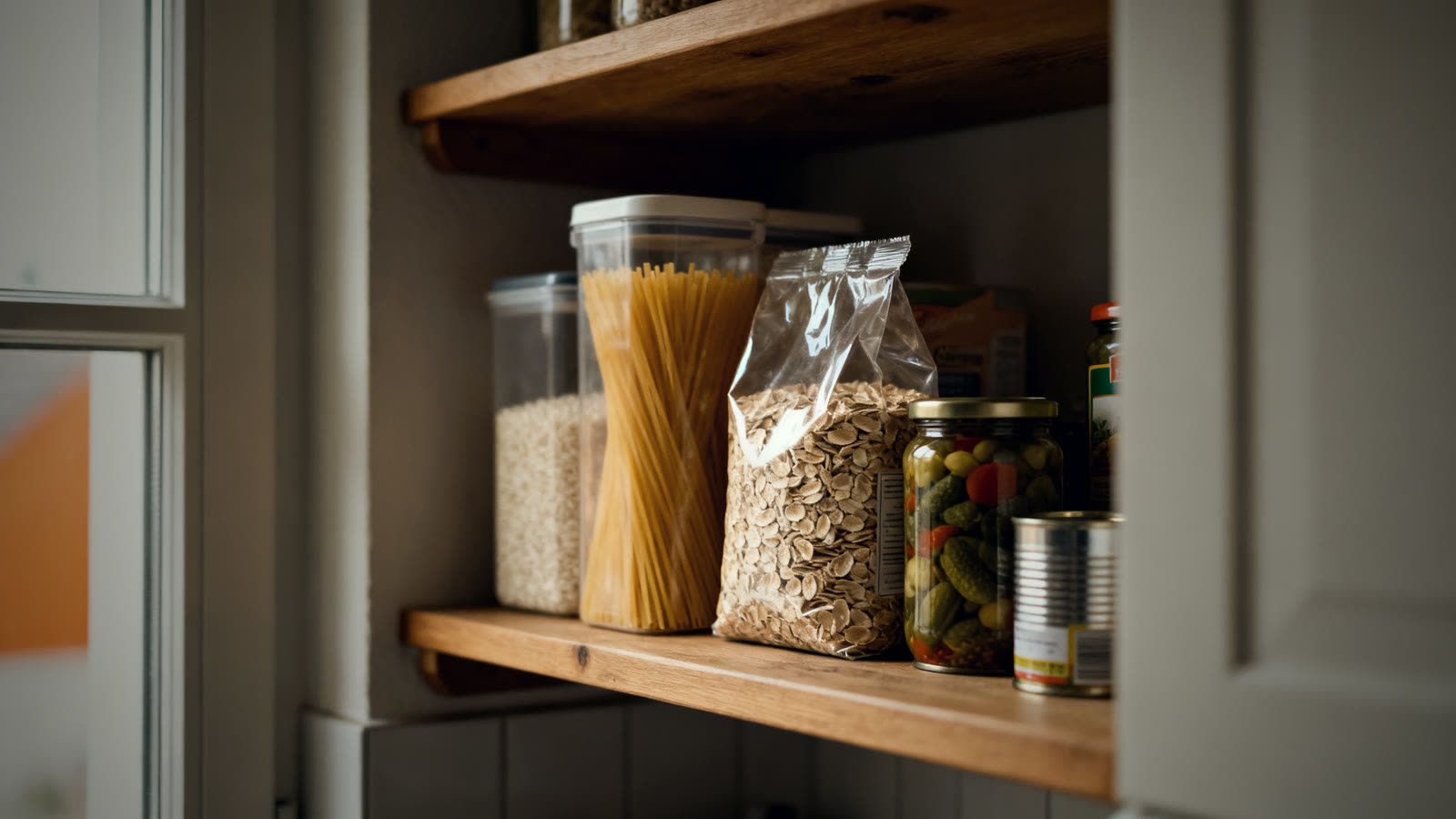
- Grains, bread, and potatoes: 3.3 kg, for example whole grain bread, rusks, crispbread, pasta, rice, oatmeal, and raw potatoes
- Vegetables and mushrooms: 4.0 kg, such as canned green beans, peas and carrots, red cabbage, sauerkraut, mushrooms and corn, as well as fresh onions
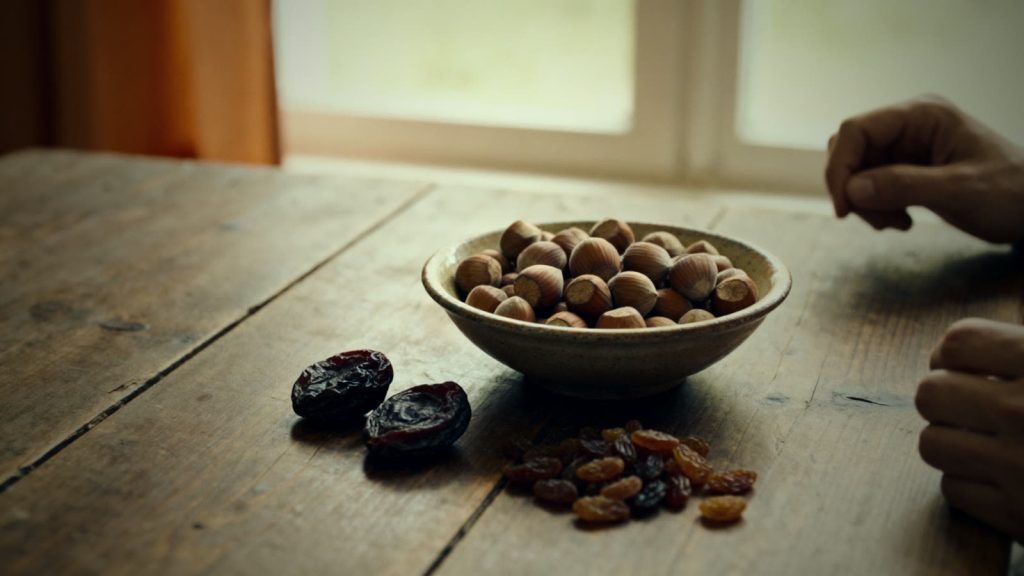
- Fruit: 2.5 kg, including canned fruit (cherries, pears, apricots, mandarins, pineapple), dried fruit such as raisins and plums, hazelnuts, and fresh fruit
- Milk and dairy products: 2.5 kg, specifically ultra-high temperature milk (3.5% fat) and hard cheese
- Protein sources: 1.3 kg, namely tofu, vegetarian patties, sausages, spreads and salami, as well as 5 eggs
- Fats and oils: 330 g, namely butter or margarine and rapeseed oil
- Beverages: 20 liters, including mineral water, lemon juice, instant coffee, and black tea
The beverage quantity includes drinking and cooking water. How to more precisely calculate your water needs is explained in the article How much drinking water do I need in an emergency?.
Fruit, dried fruit, and nuts
The fruit category includes more than just canned fruit. The table also lists dried fruit such as raisins and plums as well as hazelnuts. You can eat both just as they are, without any cooking needed. This makes these foods an uncomplicated component of your supply. Buy what you enjoy eating and what you consume in everyday life anyway, and then nothing will sit unused on your shelf.
Protein in Your Vegetarian Emergency Supply: Where It Comes From
You don’t need canned meat for a complete emergency food supply. The table focuses on protein through tofu, vegetarian patties, sausages, spreads, and salami, plus 5 eggs. Together, that’s 1.3 kg for ten days. Milk and hard cheese are listed in their own category in the table, which at 2.5 kg also makes up a large portion of the supply.
The difference from a standard emergency supply is mainly in the planning. You deliberately ensure the protein sources category remains stocked, and you check the packaging when shopping. Which specific products you choose is up to you, because the table only lists examples and quantities. What matters is that you choose something you actually enjoy eating.
Only Store What You Know
Try vegetarian sausages, spreads, or tofu products in your everyday life first. What you don’t enjoy eating, you won’t want to eat in an emergency situation, and an emergency supply that doesn’t get eaten won’t help you. This way, you’ll also learn how to prepare the products and whether they keep you full.
When purchasing, pay attention to the storage instructions on the packaging and the best-by date. It’s your reference point, because shelf life varies by product. I intentionally don’t provide specific timeframes for individual foods here because there are no uniform guidelines. You’ll find an overview of shelf-stable foods in Foods with Long Shelf Life.
Plan for Meals Without a Stove
Also think about how you’ll prepare meals if electricity or gas go out. Many products in the table—such as canned goods, dried fruit, or crisp bread—require little to no preparation. You’ll find which foods work without cooking in Emergency Supply Without Cooking: What Tastes Good Cold and Keeps You Full.
Vegan Emergency Supply: How to Adapt the Table
The supply table is structured as ovo-lacto-vegetarian. If you follow a vegan diet, you’ll need to replace the animal-derived products yourself. In the table, this affects eggs, the milk and dairy products category (including ultra-high-temperature milk and hard cheese), and butter. Since the table explicitly allows for adjustment based on individual needs, you can customize the breakdown to fit your diet.
The table doesn’t provide specific quantities for a vegan version. For that reason, I’m not providing my own figures. Use the total quantities in the table as a reference framework and make sure that in the end, you have a similar total amount of food in your home as in the template.
Check Ingredient Lists
Always check the ingredient list for prepared foods. Vegetarian patties, sausages, or spreads may contain egg or dairy components. It’s quick to check while shopping and saves you surprises in an emergency. It’s also worth taking a quick look at the packaging for butter and other fats.
Health and Special Dietary Needs
A ten-day supply is a temporary solution, not a long-term one. I won’t provide specific figures on individual nutrients for a purely plant-based diet here. If you’re pregnant, caring for children, dealing with an illness, or have special dietary needs, speak with your doctor or a nutritionist. Together you’ll figure out how to customize the supply appropriately for you.
Water, Storage, and Rotation: Keeping Your Emergency Supply Usable
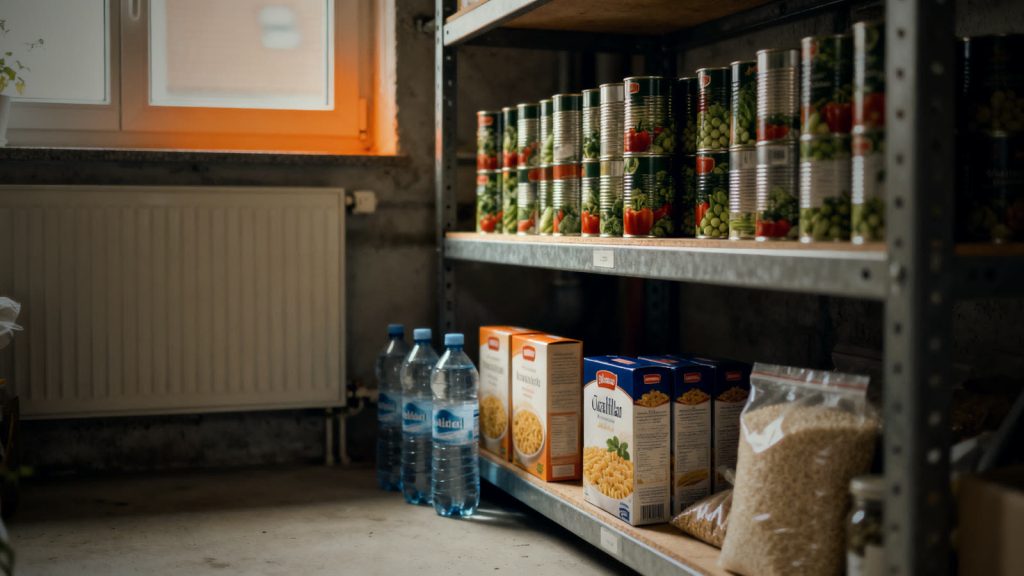
The BZfE (Germany’s Federal Centre for Nutrition Education) recommends dry, dark rooms such as pantries or cellars at 15 to 20 °C as ideal storage locations. If you live in a small space, you’ll find suggestions in emergency preparedness in small rental apartments. The same principle applies: it’s better to find a suitable location gradually than to scatter your supply all over the place.
Water is an essential part of your emergency supply. The BZfE recommends 1.5 liters of liquid per person per day for drinking and an additional 0.5 liters for cooking. For three days and two people, that’s 12 liters. According to the BZfE, mineral water in glass bottles has an almost unlimited shelf life, while in PET bottles it lasts approximately one year. You can find more about storage in storing drinking water properly – containers, shelf life, location.
To keep your supply from expiring unnoticed, the principle of rotation helps: you consume older items in your daily routine and replenish with new stock. How this works is explained in rotating your supply: the “living supply” principle. This way, your emergency supply becomes part of your regular shopping routine.
Cooking During Power or Gas Outages
If you want to prepare meals without a stove, pay attention to safety. Open flames, camping stoves, and other heat sources pose risks, especially in enclosed spaces. Read about this beforehand in cooking without electricity, the guidelines for storing gas cartridges in your home, and the article on carbon monoxide hazards.
Costs and Getting Started: How to Begin
According to the BZfE, a 10-day emergency supply costs on average just over 90 euros per person. This value refers to a general emergency supply, not specifically to a vegetarian or vegan composition. Your cost depends on your selection and current prices. You don’t have to buy everything at once: those who build their supply over several shopping trips also spread out the costs.
You can find more about the costs in the article about costs of a 10-day emergency supply. You can also get a general overview of how to set up your supply according to official recommendations in the 10-day emergency supply according to BBK recommendations. The vegetarian table is a variation of this idea, not a special case.
Frequently Asked Questions
How Do I Build a Vegetarian Emergency Supply?
Use the emergency supply table for vegetarian diets as your guide: ten days, one person, 2,200 kcal per day. It includes grains, vegetables, fruit, dairy products, protein sources such as tofu and eggs, fats, and 20 liters of beverages. Adjust the selection to match your taste and needs.
Is the Emergency Supply Table Also Suitable for Vegans?
Not directly. The table is ovo-lacto-vegetarian, meaning it contains eggs and dairy products. However, it can be adjusted according to individual needs. Replace the animal products yourself and check the ingredient lists of prepared foods.
What Protein Sources Does the Table List Without Meat?
The table lists tofu, vegetarian meatballs, sausages, spreads, and salami, as well as 5 eggs. Together, that’s 1.3 kg for ten days. Milk and hard cheese are listed in their own category with 2.5 kg.
How Long Should an Emergency Supply Last?
The BBK (Germany’s Federal Office of Civil Protection) recommends stockpiling food for ten days if possible. Even a three-day supply can make a significant difference.
How Much Water Do I Need Per Person?
The BZfE recommends 1.5 liters per person per day for drinking and an additional 0.5 liters for cooking. The emergency supply table specifies 20 liters of beverages for ten days, including drinking and cooking water.
Your Next Steps
You don’t need to start perfectly. Take it easy and step by step:
- Determine how many people you’re planning for and whether the table needs to be adjusted for you, for example for a vegan diet.
- Check what you already have at home and cross it off in the supply table.
- Keep ten days as your target in mind, as recommended by the BBK (Germany’s Federal Office of Civil Protection and Disaster Assistance).
- Buy a few shelf-stable products from the table’s categories with each shopping trip.
- Account for water: 1.5 liters for drinking and 0.5 liters for cooking per person per day.
- Choose a dry, dark storage location at 15 to 20 °C.
- Think about how you’ll prepare meals if power or gas fails, and research the safety rules in advance.
- Use older supplies first and replenish with new ones.
With these steps, you have a plan for your supplies, calm and without panic. For any special health needs, consult with a specialist to ensure your supplies suit you.
Sources and Further Information
General information, no substitute for individual advice from authorities, emergency services or medical professionals. In an emergency in Europe: 112.