A 72-hour emergency kit covers the first three days after a power outage, severe weather, or another disruption – that is the figure the EU names in its Preparedness strategy. The BBK (Germany’s Federal Office of Civil Protection and Disaster Assistance) goes further and recommends being able to fend for yourself for ten days if possible. The two recommendations don’t contradict each other; they simply describe different stages of building the same supply.
If you’ve only heard of one of these two figures so far, that’s no coincidence. Depending on which agency or institution you read, you’ll see either 72 hours or 10 days. This article puts both figures in context and shows what they mean for your own preparedness.
The EU recommendation: 72 hours as a minimum
The EU Preparedness Union Strategy from March 2025 calls on the public to take practical steps for emergencies. One of them: keeping essential supplies for at least 72 hours. This figure is the only specific time frame the strategy names for private emergency supplies.
72 hours is deliberately framed as a minimum, not a goal. The reasoning behind it: in the first three days after a major event, emergency responders are usually still busy with immediate hazard response. If you can take care of yourself, you ease the burden on the systems that are needed elsewhere during this phase.
What a 72-hour emergency kit contains
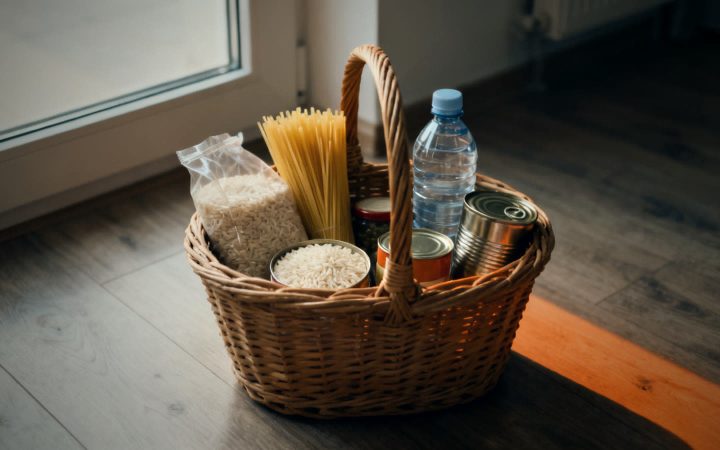
A look across the border shows how specific a 72-hour recommendation can be. The Dutch government recommends the following for its “Noodpakket” (emergency kit), among other things:
- 3 liters of water per person per day
- Non-perishable food such as nuts, canned goods, and dried fruit
- Radio with batteries or a hand crank
- Mobile phone with power bank, flashlight, candles, and matches
- First aid kit, blankets, tools, hygiene items, and medication
- 70 euros in cash per adult, 30 euros per child
- Copies of IDs and spare keys
The Dutch also recommend storing the kit in a waterproof backpack in an easily accessible place and checking it every six months. For the amount of water, take a look at our article How much drinking water do I need in an emergency?, and for proper storage, see How to store drinking water.
The BBK recommendation: 10 days as a target
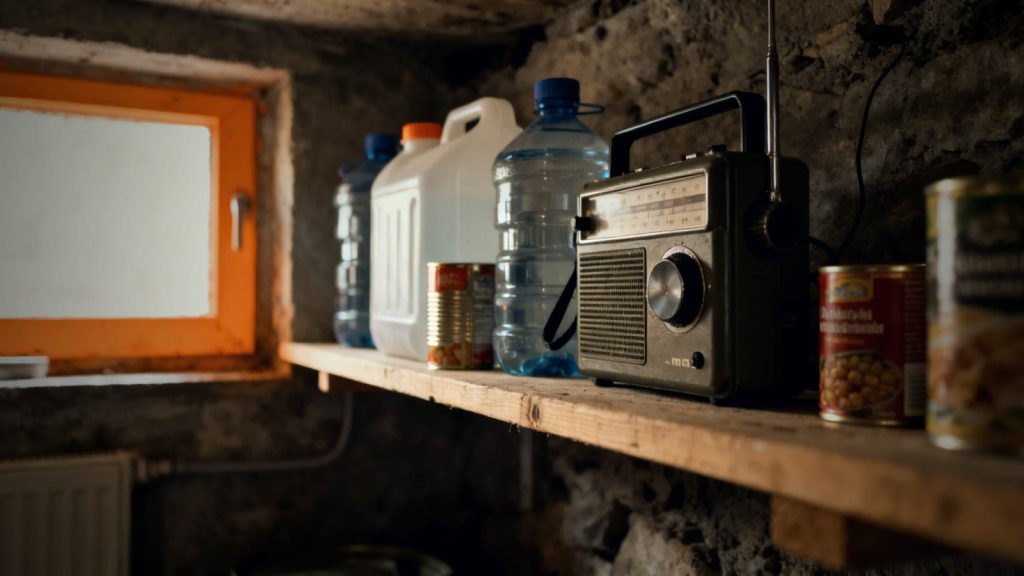
The BBK goes well beyond the EU minimum. It recommends being able to fend for yourself for ten days if possible. At the same time, the agency stresses that even a supply for at least three days already helps a great deal – so nobody has to start with ten days right away.
This wording matters: 10 days is the goal, not an entry requirement. If you start with three days and expand your supply step by step, you’re doing nothing wrong. You’ll find a detailed list for the larger stage in our article The 10-day emergency supply according to BBK recommendations.
Why the BBK aims for a longer time span
Germany is larger in area and set up differently in terms of infrastructure than, say, the Netherlands. In large-scale events – such as a prolonged power outage or flooding with damaged infrastructure – it can take longer for supply and normal operations to be restored. Ten days is a buffer that cushions such delays without you having to rely on outside help.
72 Hours or 10 Days: What Does That Mean for You?
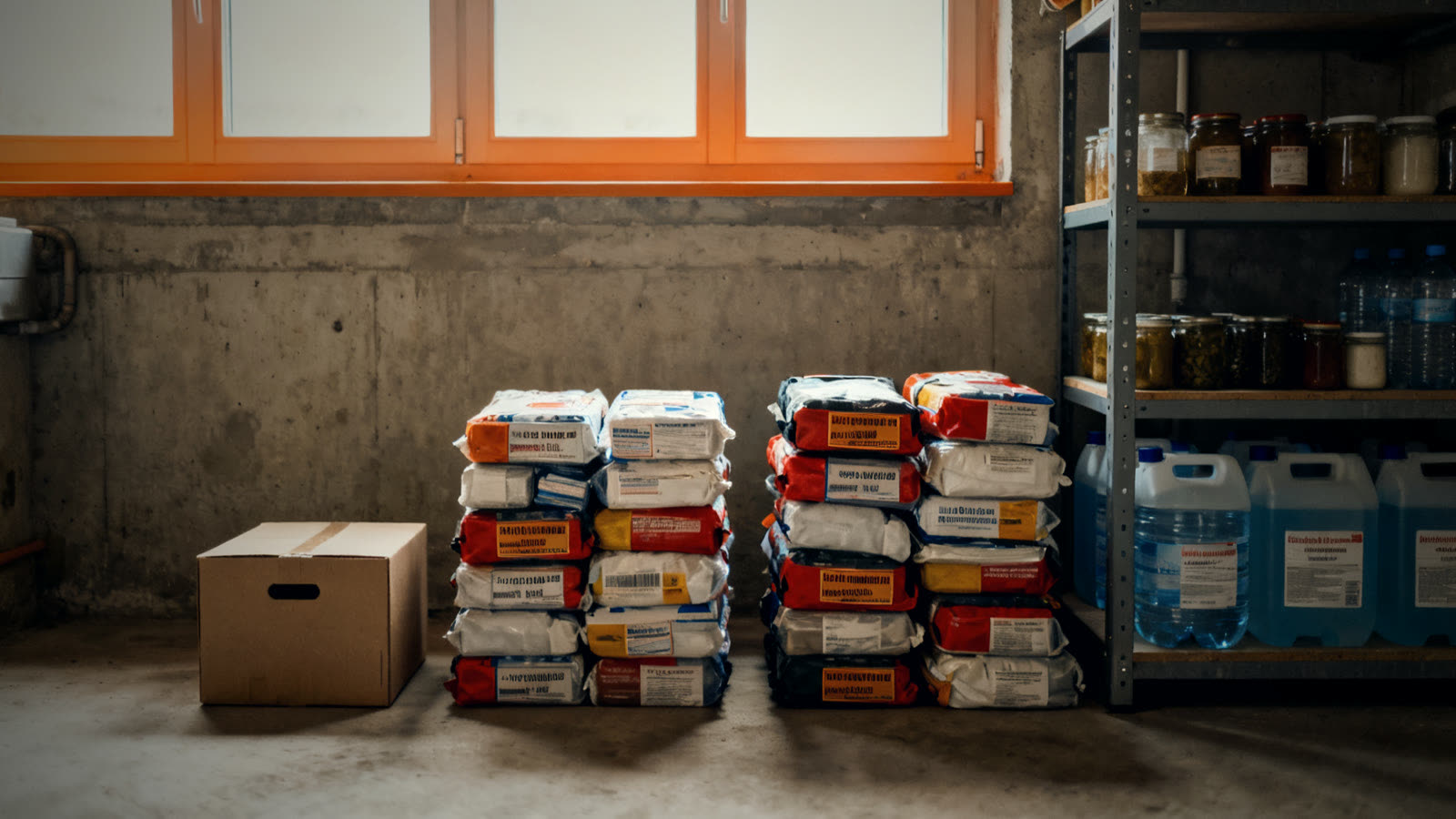
The simplest answer: you don’t have to choose one or the other. Your 72-hour emergency kit is the core of your supplies – easy to grab, easy to keep track of, quick to check. Around it, you build up the larger 10-day supply, which is stored in your kitchen, basement, or pantry and doesn’t need to be moved around constantly.
The BBK (Germany’s Federal Office of Civil Protection and Disaster Assistance) explicitly points out that putting together your emergency supplies is a very individual matter. Everyone has to find the combination that suits them, depending on personal preferences and living circumstances. A single-person household plans differently than a family of four, and an apartment without a basement plans differently than a house with plenty of storage space.
A Practical Two-Stage Approach
- Stage 1 (72 hours): A compact kit with water, non-perishable food, a radio, light, a first aid kit, and some cash – portable and quick to grab.
- Stage 2 (10 days): An expanded supply with a larger amount of water, more non-perishable food, a way to cook without electricity, and additional hygiene supplies.
For the cooking question in Stage 2, Cooking Without Electricity: Safe Options will help you, and for choosing long-lasting products, see Foods With a Long Shelf Life.
What Both Recommendations Have in Common
However different the numbers sound, the EU and the BBK agree on the basic principle: preparedness is a personal responsibility, and outside help supplements it but doesn’t replace it. Both rely on the same basic building blocks: water, non-perishable food, information, light, first aid, and some cash. The difference lies solely in the quantity and the scope of the recommendation.
Frequently Asked Questions
Is a 72-hour emergency kit enough?
For the first three days after an incident, yes – that is the EU minimum recommendation. However, the BBK recommends building up to 10 days in the long term, because some situations can last longer.
As a next step, take a look at Packing a Go Bag: The Basic Checklist if you also want to keep your kit ready to take with you.
Do I need a 10-day supply right away?
No. The BBK explicitly stresses that even a three-day supply helps a lot. The 10-day supply is a goal you can build up bit by bit.
What is the difference between the EU emergency kit and the BBK recommendation?
The EU names a minimum figure (72 hours) as a practical measure for the whole population. The BBK goes further with 10 days and describes a target for the German context.
How much water belongs in a 72-hour emergency kit?
As a guideline, the Dutch authority recommends 3 liters per person per day for drinking and basic hygiene. You’ll find details on how to calculate this in our article on drinking water quantities.
Where is the best place to store the 72-hour kit?
In an easy-to-reach spot, ideally in a sturdy, waterproof container or backpack – and with a fixed routine for checking it regularly.
How to Get Started
Start with an honest inventory: what do you already have, and what’s missing? First put together your 72-hour kit, check the expiration dates, and pack it so it’s ready to grab. Then, take your time expanding to the 10-day supply – food, water, hygiene, and power supply, one after the other. Put a fixed date in your calendar to check both supplies every six months.
Sources and further information
- BBK (Germany’s Federal Office of Civil Protection and Disaster Assistance) – Guide to emergency preparedness and how to act in emergencies – BBK
- EU Preparedness Union Strategy – European Commission
- What’s in an emergency kit? (Wat zit er in een noodpakket?) – Rijksoverheid (Government of the Netherlands)
General information, no substitute for individual advice from authorities, emergency services or medical professionals. In an emergency in Europe: 112.