📌 Part of the guide: Building Your Emergency Supply Kit: A 4-Step Guide to 10 Days of Readiness
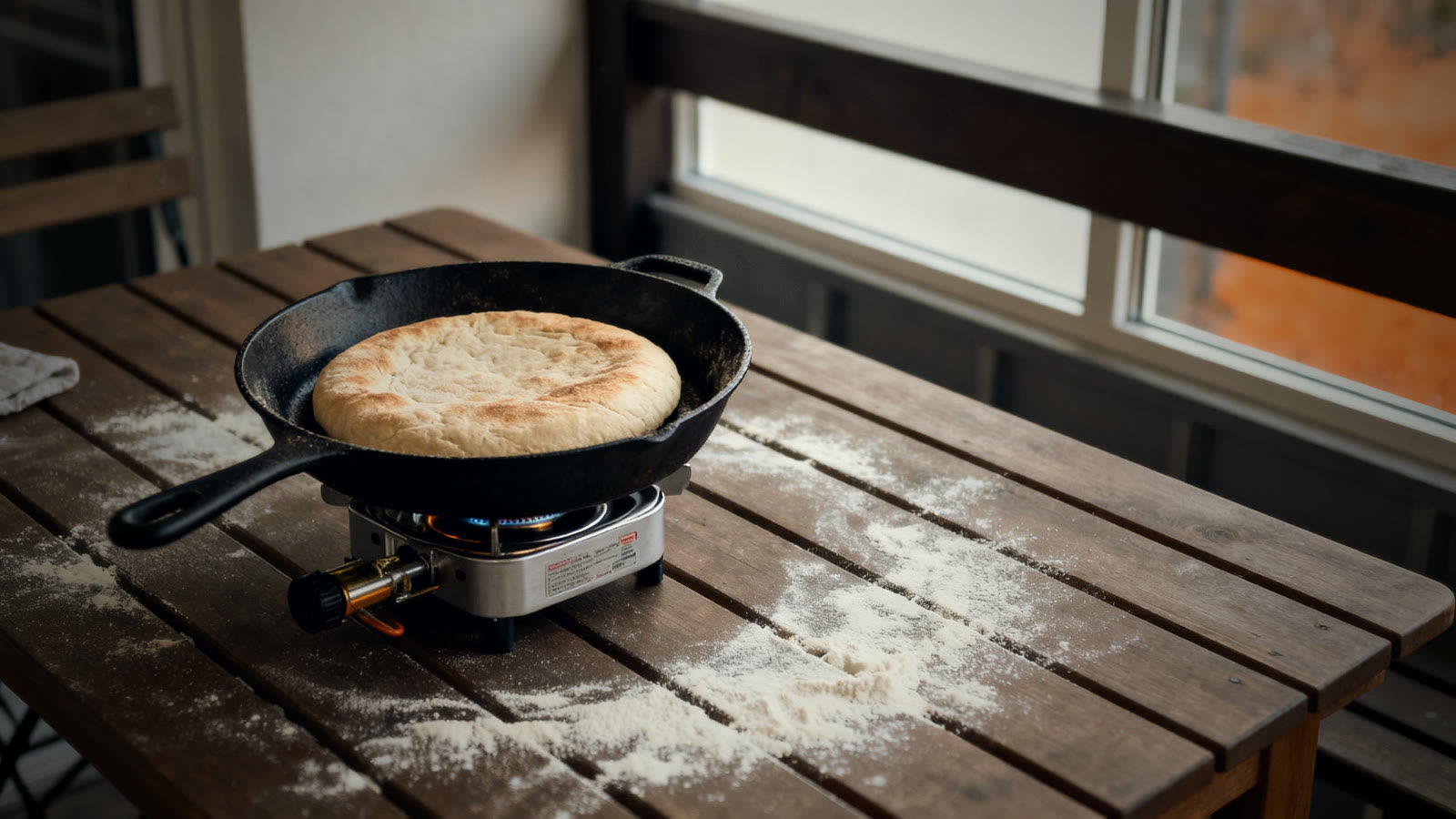
Baking bread without power works even without an oven: You can make a simple dough from flour, water, and salt, then bake it as pan bread or flatbread in a pan on a stove. You’ll need a dry, well-sealed flour supply, a safe cooking surface, and adequate water on hand.
Baking bread without power: the essentials
A traditional oven requires electricity or mains gas. During a power outage, it stops working in many households. Bread is still possible, though, because flat doughs cook in a pan in just a few minutes. You don’t need any special knowledge for this, just a little practice and the right ingredients in your supplies.
The BBK (Germany’s Federal Office of Civil Protection) recommends being able to provide for yourself for ten days if possible. Even a three-day supply helps considerably. Additionally, the BBK points out that food that doesn’t need refrigeration lasts longer. This applies exactly to flour: the BZfE (Germany’s Federal Center for Nutrition) lists flour, rice, pasta, and dried legumes as examples of shelf-stable foods.
This article shows you two things. First, how to prepare pan bread and flatbread without an oven. Second, how to store flour and grains so you can actually use them in an emergency. Because the best recipe is useless if the flour is spoiled or infested with pests.
If you’d prefer to manage without cooking altogether, you’ll find ideas in the article Emergency supplies without cooking: what tastes good cold and fills you up. The BBK also mentions rusks as an example of stored foods, so bread substitutes without baking are an officially recognized option. Fresh pan bread is a good addition though, especially if you need to manage without power for an extended period and want something warm to eat.
What you need for pan bread and flatbread
The ingredients
A simple flatbread dough requires just a few things. All of them store well:
- Flour (wheat flour or another baking flour you know and can tolerate)
- Water suitable for drinking
- Salt
- A little oil or fat for the pan
- If available: a leavening agent such as dry yeast or baking powder for a lighter dough
Exact amounts depend on the type of flour and your pan. So try the ratio in advance at home while everything still works. The dough should be kneadable without sticking too much to your hands.
The equipment
You need a pan that can handle high heat, such as one made from cast iron or steel, plus a matching lid or plate for covering. You’ll also need a bowl, a spoon, a rolling pin or clean bottle for rolling out, and a spatula. A stove that you can safely operate in an emergency serves as your heat source.
The article Cooking without power: safe options explains which cooking surfaces are suitable and what you need to watch out for. If you work with gas cartridges, please also read Storing gas cartridges in your apartment: rules and limits.
Planning for water
The dough needs water in addition to what you drink. The BBK states a fluid requirement of at least 1.5 liters per day for an adult. So include the water for the dough and for rinsing the pan in your supplies. The article How much drinking water do I need in an emergency? describes how much you should plan for overall.
Pan bread and flatbread without an oven: Step by step
Making the dough
Add the flour with a pinch of salt to a bowl. Gradually add water and stir until a dough forms. Knead it on a clean surface until it becomes smooth. If it’s too sticky, add a bit more flour; if too dry, add a little water. If you’re using yeast, let the dough rest in a warm place before baking until it has visibly risen.
Flatbread works without leavening too. It will be flatter and denser, but tastes good fresh from the pan and serves as a practical side dish for soups, stews, or lentils.
Shaping the dough
Divide the dough into small portions. Roll each portion into a thin, round flatbread that fits your pan. The thinner the flatbread, the faster and more evenly it will cook through. Lightly flour your work surface so nothing sticks. With thicker breads, baking takes longer, and there’s a greater risk that they’ll burn on the outside while remaining raw inside.
Baking in the pan
Heat the pan to medium to high heat and grease it lightly, or bake the flatbread without fat altogether. Place the dough in the pan and wait until small bubbles form on the surface and the bottom turns golden brown. Then flip the flatbread and bake the second side. A lid placed on top retains heat and helps thicker flatbreads cook through.
Press the flatbread gently from time to time. If it feels firm and sounds slightly hollow when tapped, it’s usually done. If you’re unsure, cut off a piece and check whether the dough inside is still moist and sticky. If it is, it needs more time at slightly lower heat.
Safety while baking
Cooking with gas, spirits, or wood produces heat and exhaust fumes. Use stoves only where appropriate for the particular device and ensure adequate fresh air. Keep an eye on the pan, as hot fat can ignite. Keep children and pets away. The article Carbon Monoxide: The Invisible Danger in Emergency Heating provides important information about the risks of combustion gases.
Variations
Various variations can be made from the basic dough. You can knead in herbs or spices, brush the flatbread with a bit of oil after baking, or use it as a wrap for leftovers. Cooked legumes or a stew also pair well with it. This way, a few simple ingredients become a filling meal without needing any special products.
How to store flour: keeping your supply usable
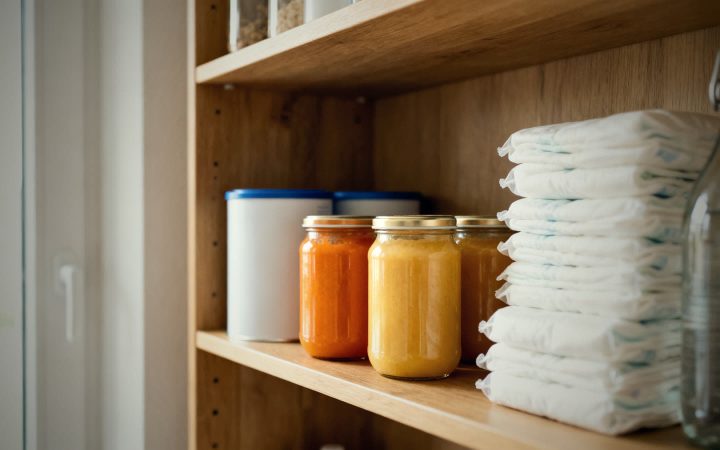
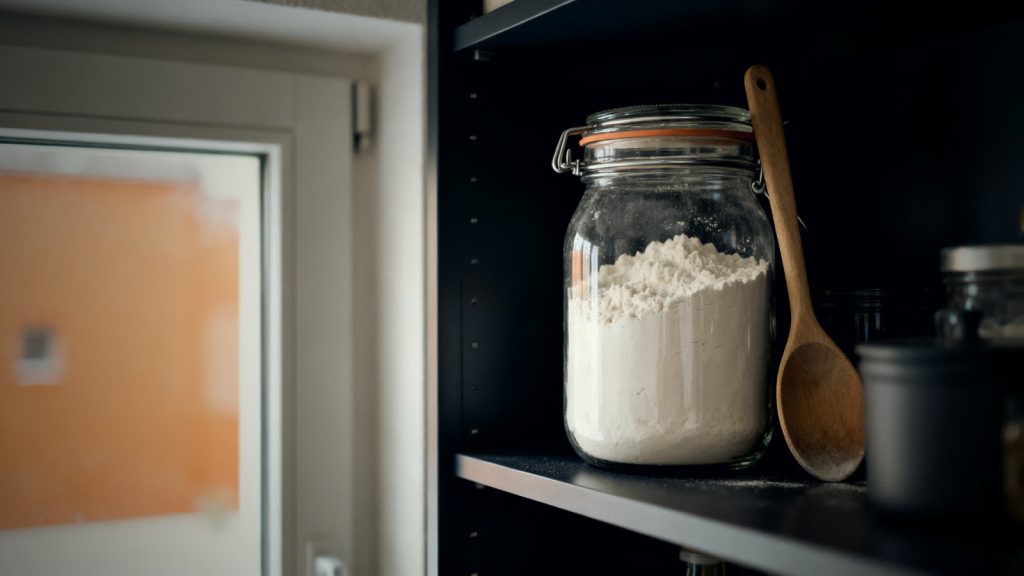
The BZfE (Germany’s Federal Center for Nutrition) recommends storing long-lasting foods like flour at room temperature, specifically 15 to 20 degrees Celsius. For storage locations, it recommends dry, well-ventilated, and dark rooms, such as a pantry or cellar. Those living in small rental apartments often find a dark cabinet that best meets these requirements. For tips on limited space, see Emergency preparedness in small rental apartments with limited space.
Transfer to containers instead of leaving in bags
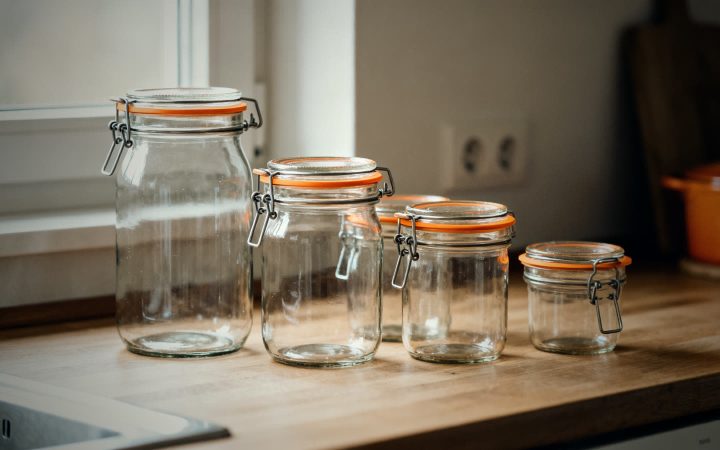
Flour is usually sold in paper bags. The BZfE advises transferring products from paper or foil packaging into tightly sealing containers made of glass, metal, or plastic. Consumer advocacy organizations recommend glass, ceramic, or sturdy plastic with a tight-fitting lid as particularly suitable. They also note that paper, cardboard, and many thin plastic packaging materials can be penetrated by food moths.
Transfer dry supplies to containers as soon as possible after purchase. This applies even when you purchase a large quantity. Label the container with the contents and date so you know later what’s inside and how old it is.
Check regularly and rotate
Consumer advocacy organizations recommend checking your supplies regularly. When checking, look for odor, color, and texture of the flour. Lumpy or discolored flour may indicate pantry beetles. According to consumer advocacy organizations, infested foods should be disposed of directly in the household trash bin outside the living area to prevent pests from spreading further.
Monitoring is easiest if you use flour regularly in your daily cooking and replace it as needed. This principle is described in the article Rotating supplies: the “living pantry” principle. Use the oldest flour first and place new flour at the back.
Storing grain and preventing storage pests
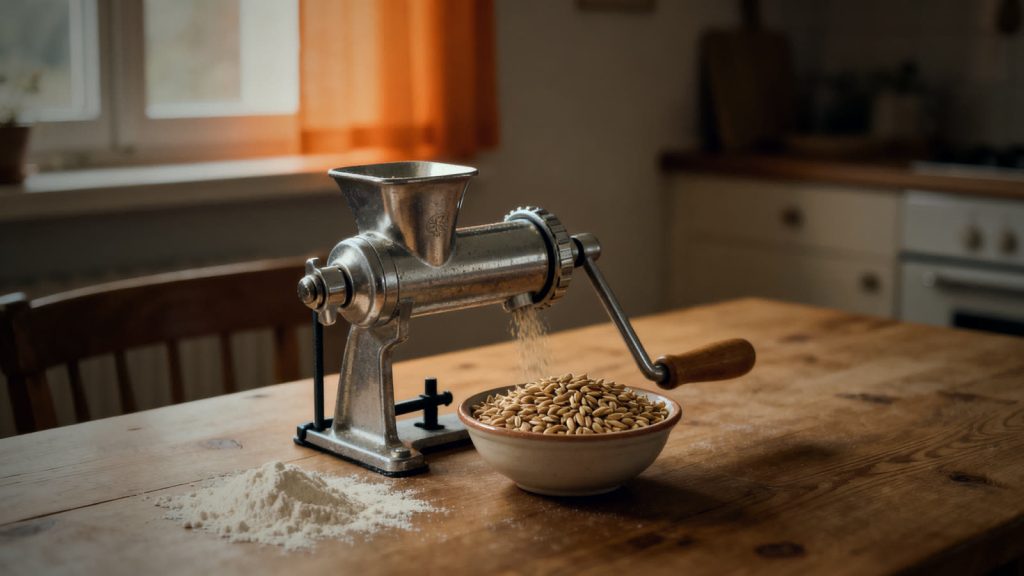
Those planning to store larger quantities might also consider whole grain kernels. The same basic storage rules apply as for flour: cool, dry, dark, and in tightly sealing containers. For processing, however, you’ll need a way to grind it, such as a hand mill that works without electricity. Practice using it beforehand, as hand-grinding takes time and effort.
Foods frequently infested by storage pests include flour, rice, pasta, muesli, nuts, and dried fruits. This is not an argument against storage, but rather for careful container selection and regular monitoring. Especially with a large supply, it’s worthwhile to store it in multiple smaller containers rather than one large container. If one container becomes infested, the rest remain protected.
Checklist for storage location
- dry, well-ventilated, and dark room, such as a pantry or cellar
- room temperature, according to the BZfE (Germany’s Federal Center for Nutrition), 15 to 20 degrees Celsius
- containers made of glass, ceramic, metal, or sturdy plastic with a tight-fitting lid
- label with contents and storage date
- regular visual inspection for lumps, discoloration, and pests
- dispose of infested products immediately in the household trash bin outside the living area
You can find an overview of other supplies in the article Long-lasting foods. How bread and flour fit into an overall supply is shown in The 10-day emergency supply according to BBK (Germany’s Federal Office of Civil Protection and Disaster Assistance) recommendations.
Frequently Asked Questions
Can You Bake Bread Without an Oven?
Yes. Flat doughs like pan bread or flatbread cook in a skillet on the stovetop. You need flour, water, salt, and some fat. With a lid on the skillet, you can also make slightly thicker flatbreads.
How Do I Store Flour Properly?
Keep it dry, dark, and cool; according to the BZfE (Germany’s Center for Nutrition), around 15 to 20 degrees Celsius, such as in a pantry or basement. Transfer the flour from the paper bag into a tightly sealed container made of glass, metal, or plastic, and check it regularly.
How Can I Tell if Flour Is Infested?
According to the Verbraucherzentrale, clumped or discolored flour may indicate rice weevils. You should dispose of infested food directly outside your living space in the household trash bin.
How Much Water Do I Need for Baking?
The BBK (Germany’s Federal Office of Civil Protection and Disaster Assistance) recommends at least 1.5 liters per day for an adult as a fluid requirement. Water for dough and washing dishes comes on top of that. It’s better to plan generously and read the article on drinking water storage.
Are There Bread Alternatives That Don’t Require Baking?
Yes. The BBK lists rusk as an example of shelf-stable products. It requires neither electricity nor a cooktop and works well as a supplement if you can’t or don’t want to bake.
Your Next Steps
You don’t have to implement everything at once. Take it one small step at a time:
- Check how much flour you have at home and what kind of packaging it’s in.
- Transfer it to tightly sealed containers made of glass, ceramic, metal, or sturdy plastic, and label them.
- Choose a dry, dark, and cool storage location.
- Bake a pan bread as a test and note what worked well.
- Include water for dough and washing dishes in your drinking water supply.
- Check your supply regularly and use the oldest flour first.
With these steps, you’ll be well prepared. In an emergency, a simple pan bread is not just a meal, but also a piece of normalcy.
Sources and Further Information
General information, no substitute for individual advice from authorities, emergency services or medical professionals. In an emergency in Europe: 112.