📌 Part of the guide: Building Your Emergency Supply Kit: A 4-Step Guide to 10 Days of Readiness
When you receive a boil water advisory, bring your tap water to a rolling boil for approximately three to five minutes before using it. This reliably kills microorganisms. With an electric kettle and a bit of routine, this is manageable in everyday life.
What Does a Boil Water Advisory Mean?
A boil water advisory is an instruction from the responsible authorities to use tap water only after boiling it. The core issue is microorganisms: prolonged boiling at a rolling boil kills them. The specific notice you receive is what matters. It tells you what applies to your situation.
Health authorities issue boil water advisories when laboratory tests show elevated levels of coliform bacteria or enterococci. According to available information, this occurs rarely and often relates to construction work or changes to the water system. For you, this means: you can respond to this situation with simple measures that are available in almost every kitchen.
This article explains how to proceed, what matters when boiling water, and where the limits of this method lie. It does not replace the notice issued locally. If the authorities or water company issue different instructions, their guidance takes precedence. If you are already concerned with preparedness, you will find additional suggestions in the article Ruhig bleiben im Ernstfall: Stress verstehen und handlungsfähig bleiben on how to stay capable of acting in such moments.
Boil Water Advisory: What to Do When the Notice Arrives?
A fixed sequence keeps you calm. This is especially important if multiple people live in your household, because no one should use unboiled water out of habit. Best practice is to proceed as follows:
- Read the notice carefully: Does it say you should boil the water, or that you should not use it at all? These are two different instructions. The article Warnung der Bevölkerung: NINA, Cell Broadcast, Sirenen explains how official warnings can reach you.
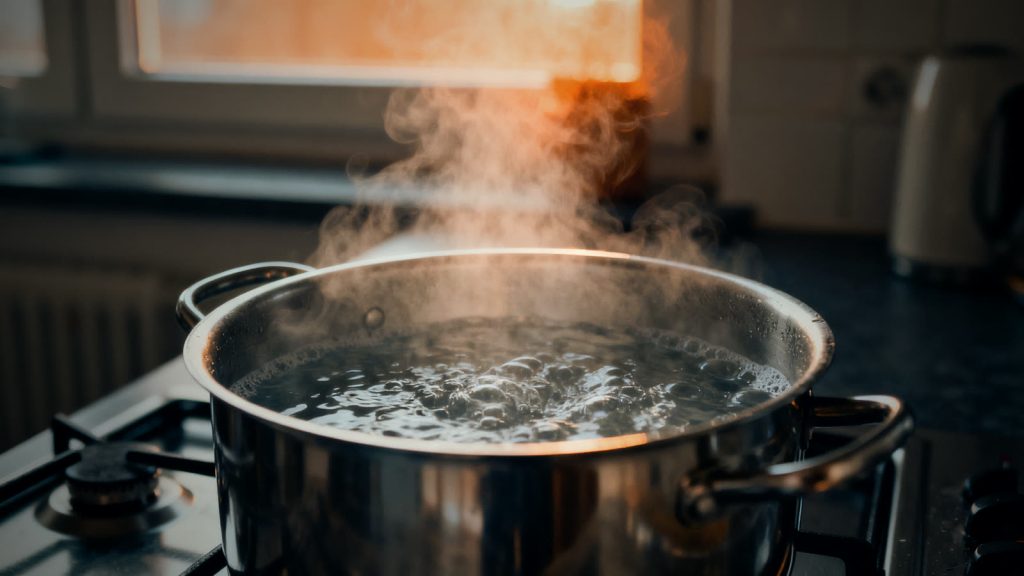
- Boil the water: The water should boil at a rolling boil for approximately three to five minutes.
- Store safely: Pour the boiled water into a clean, sealed container and store it in a cool place if possible.
- Involve your household: Talk with everyone in your household about which water can be used.
Also monitor further updates locally. Until the situation changes, the authorities’ requirements apply. When in doubt, they take precedence over general guidance like this one. How you can stay informed even without internet is explained in the article Informiert bleiben ohne Internet.
Boiling Water: How Long and How?
The water should boil vigorously for about three to five minutes. The key word here is “vigorously.” It’s not enough for the water to just be hot or for the first bubbles to start appearing. Wait until it’s rolling at a full boil, and only then start timing. A kitchen timer or the timer on your phone will help you keep track of the time accurately.
Using an Electric Kettle
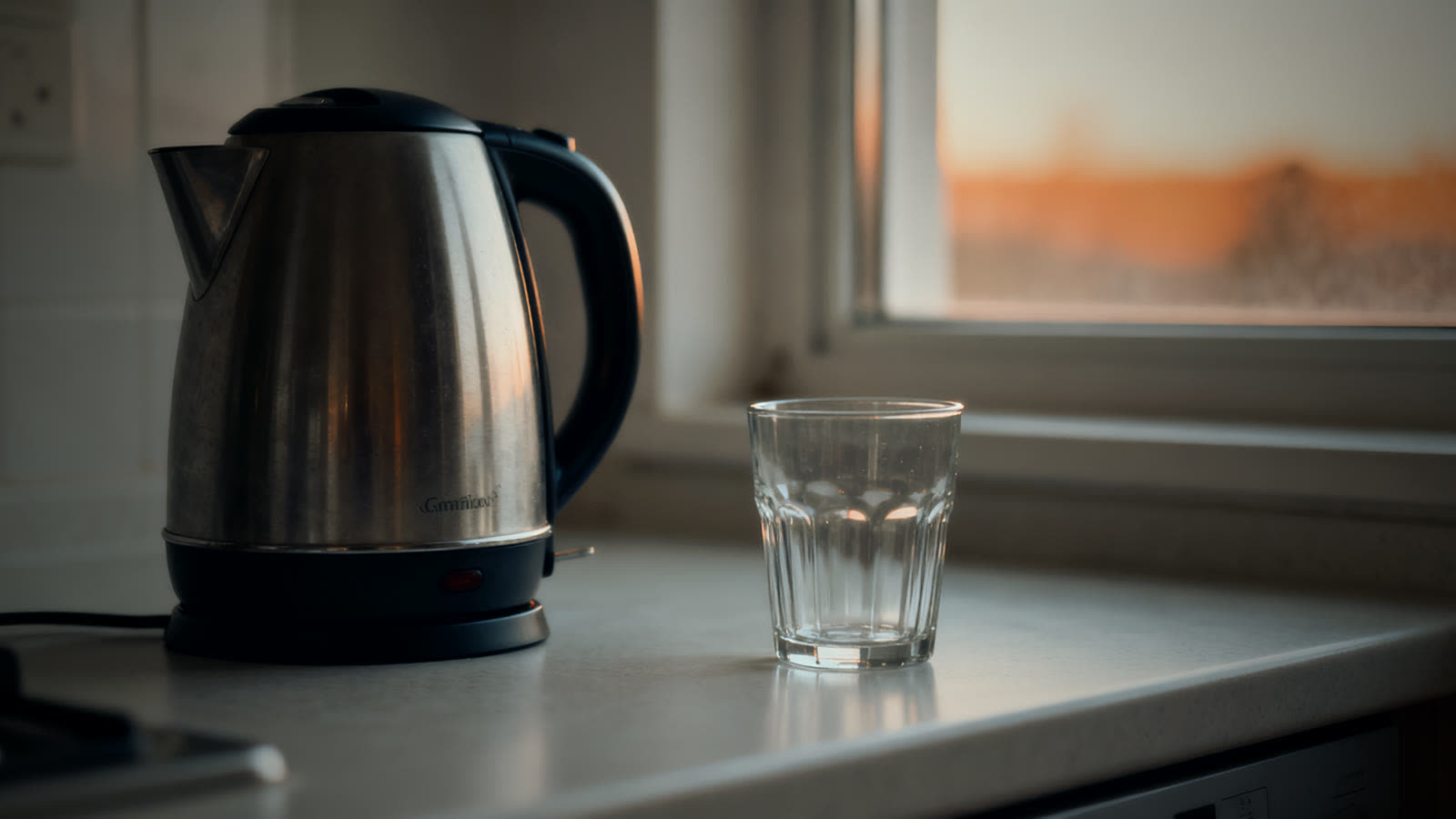
A standard electric kettle works well for boiling water. Check whether your device actually keeps the water boiling vigorously for the entire time. If it doesn’t, use an alternative heat source where you can reliably maintain the timing. If in doubt, read your device’s user manual.
When handling boiling water, remember: it scalds. Place the kettle or pot on a stable surface, never leave children unattended nearby, and pour the water slowly and away from your body. This may sound obvious, but in an emergency situation, these are precisely the kinds of preventable accidents that can happen.
When There’s Also a Power Outage
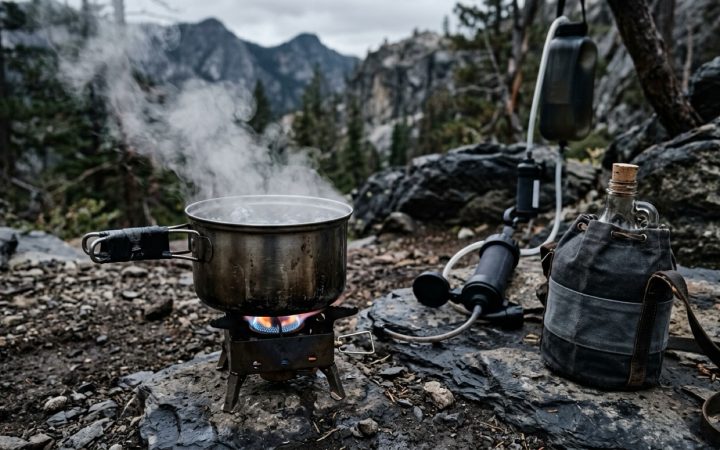
If power also goes out, you’ll need an alternative heat source. The article Cooking Without Power: Safe Options covers the possibilities available to you. Be sure to follow the safety guidelines: open flames and fuel should never be left unattended indoors, and burning can produce carbon monoxide. Learn more under Carbon Monoxide: The Invisible Danger with Emergency Heating.
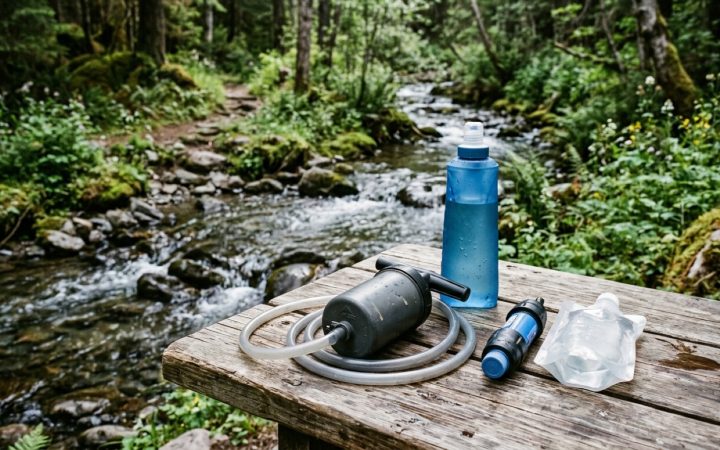
For a broader overview of boiling, filtering, and disinfecting water, see the article Water Treatment: Boiling, Filtering, and Disinfecting. It will help you understand which method is appropriate for which situation.
Storing Boiled Water
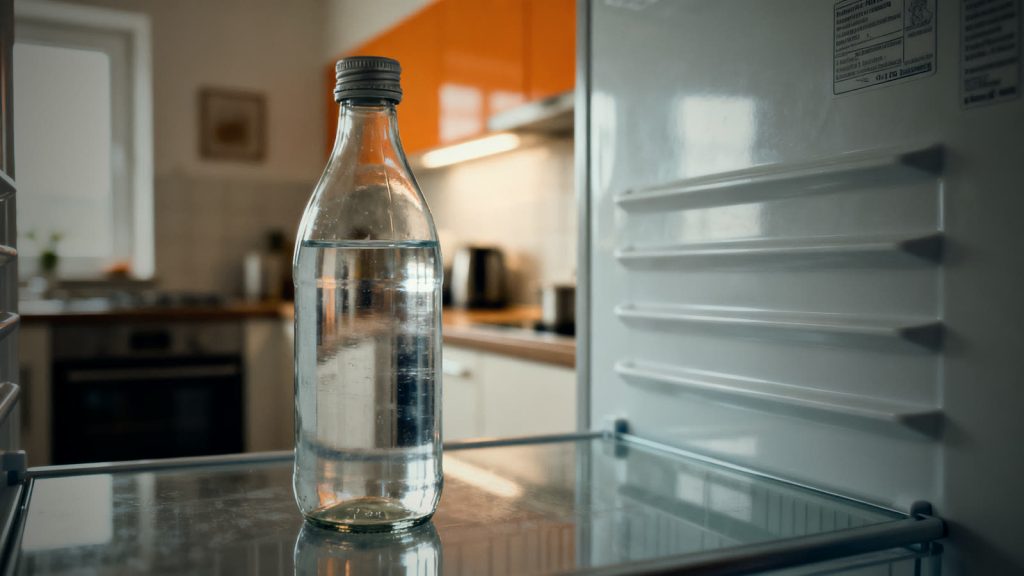
Boiled water can be stored for a few hours in a clean, sealed container, preferably refrigerated. The timeframe is intentionally short. Therefore, plan to use the boiled water within this period and boil again if needed.
For general guidance on storing water, see Storing Drinking Water Correctly – Containers, Shelf Life, Location. That article addresses long-term water storage, not freshly boiled tap water. Don’t confuse the two, because boiled water has the short window of only a few hours.
Household tap water: Common uses and what to know
You encounter tap water in everyday life in many places: in your glass, while cooking, when brushing your teeth, when preparing drinks. Which uses the authority includes in its guidelines is stated in the respective announcement. Read it carefully and, if you’re uncertain, ask your health department or water utility instead of guessing.
It is important that you do not rely on assumptions. When something is not clearly regulated, you clarify it locally. This article can provide general guidance, but only the responsible authorities know the specific requirements for your area.
Baby formula and young children
If infants or small children live in your household, special care is worthwhile. If you are uncertain, ask your pediatrician or health department how you should prepare food in this situation. Also make sure boiled water is hot: Check the temperature carefully before preparing anything for a child, and do not leave it unattended near hot water.
For families, it is worth looking at Emergency preparedness for families: prepared together without stress. This covers how you and your household can prepare together calmly and without rushing.
Organizing in the kitchen
Especially when multiple people cook and drink, simple agreements help. You can clarify these points in your household:
- Who boils the water, and where is it stored afterwards?
- Which container holds boiled water, and how is it identifiable?
- When is the water used or reboiled?
- Who learns about new announcements and shares them with everyone?
Such agreements take little time and prevent misunderstandings, especially with guests or children who don’t know what currently applies.
When boiling is not enough
Boiling only helps against microorganisms, not against chemical contamination. If there is a warning because of chemicals in the water, boiling does nothing. In this case, authorities generally advise against using the water at all. Read the announcement carefully and follow the instructions given there.
If you should not use tap water, you need another water source. How much water a household should plan for is explained in the article How much drinking water do I need in an emergency?. Hygiene can be maintained even without running water, as Hygiene without running water shows.
A water supply is a sensible part of preparedness regardless of a boil-water advisory. How to build one is shown in the article Emergency supplies for 10 days according to BBK (Germany’s Federal Office of Civil Protection) guidance.
Frequently asked questions
How long do I need to boil drinking water?
Let the water boil at a rolling boil for about three to five minutes. The timer starts when the water is really boiling, not when it first starts to heat.
Why is a boil-water advisory issued?
Health authorities issue it when laboratory tests show elevated levels of coliform bacteria or enterococci. This often relates to construction work or changes to the water system. It occurs rarely.
Can I store boiled water?
Yes, for several hours in a clean, sealed container, preferably refrigerated.
Is an electric kettle sufficient?
A standard electric kettle works well for boiling water. Make sure the water actually boils at a rolling boil for about three to five minutes.
Does boiling help against chemical contamination?
No. Boiling works only against microorganisms. With chemical contamination, authorities generally advise against using the water.
Your Next Steps
A boil water advisory is inconvenient, but manageable. These steps will help you stay calm and act systematically:
- Read the notice from your water supplier or health department: should you boil water or avoid it entirely?
- Bring tap water to a rolling boil for approximately three to five minutes before use.
- Store boiled water in a clean, sealed container, preferably refrigerated, for only a few hours.
- Inform everyone in your household and clarify responsibilities.
- If you have questions—for example about baby formula—contact your health department or pediatrician.
- Follow updates and comply with the authorities’ instructions.
Finally, here’s a note for normal daily life when there’s no boil water advisory: if water has been sitting in your pipes for more than 4 hours—for example, in the morning—let it run for up to 30 seconds before drinking. This flushes out stagnant water and reduces metal intake from the pipes. During a boil water advisory, however, continue to use only boiled water unless the notice states otherwise.
Sources and Additional Information
General information, no substitute for individual advice from authorities, emergency services or medical professionals. In an emergency in Europe: 112.