📌 Part of the guide: Preparing for a Power Outage: Light, Heat, Communication
When the power goes out, you should report the power outage to your utility provider, not to police or fire services. First, briefly check whether only your apartment is affected or the neighborhood as well. Then have your meter number, time, and observations ready so your report can be processed quickly.
This article walks you through the process step by step, calmly and clearly. You’ll learn how to tell whether the problem is in your home’s electrical system or in the grid, how to find your local utility provider, and what to say when you call. We’ll also include some tips on how to stay well-informed afterward.
Check first: Is it only in your home or also affecting your neighbors?
This first step takes only a few minutes and saves you a lot of time later. The Tempelhof-Schöneberg District Office recommends first clarifying whether only your apartment is affected or the entire neighborhood. This determines who you need to inform.
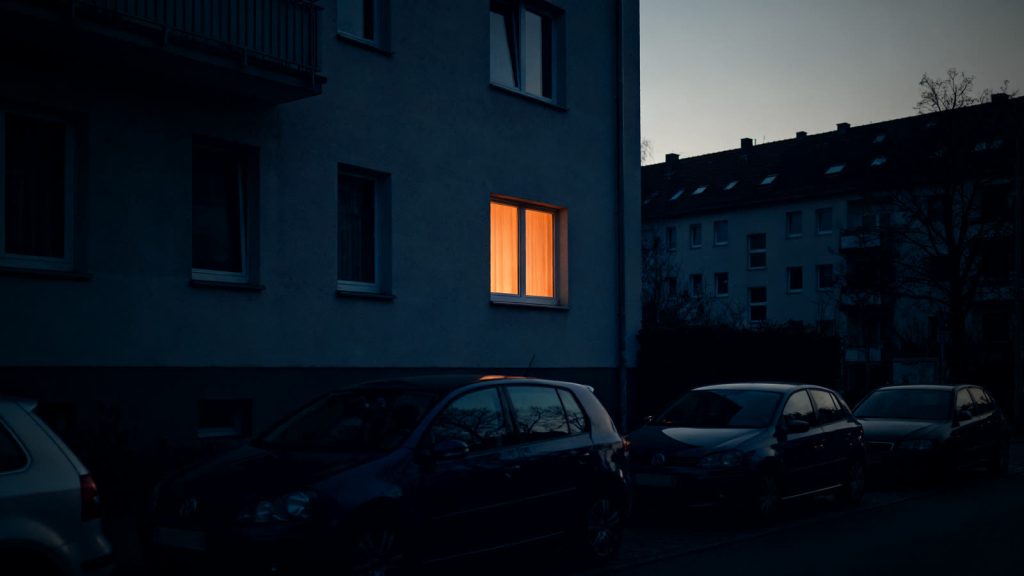
Look outside and in the hallway. Is the light on in your neighbor’s apartment? Are the street lights, stairwell lights, or your neighbors’ lighting working? A quick glance out the window helps too. If you’re unsure, ring a neighbor’s doorbell and ask. It’s straightforward and often faster than any research.
Power outage only in my home: Circuit breaker or grid issue?
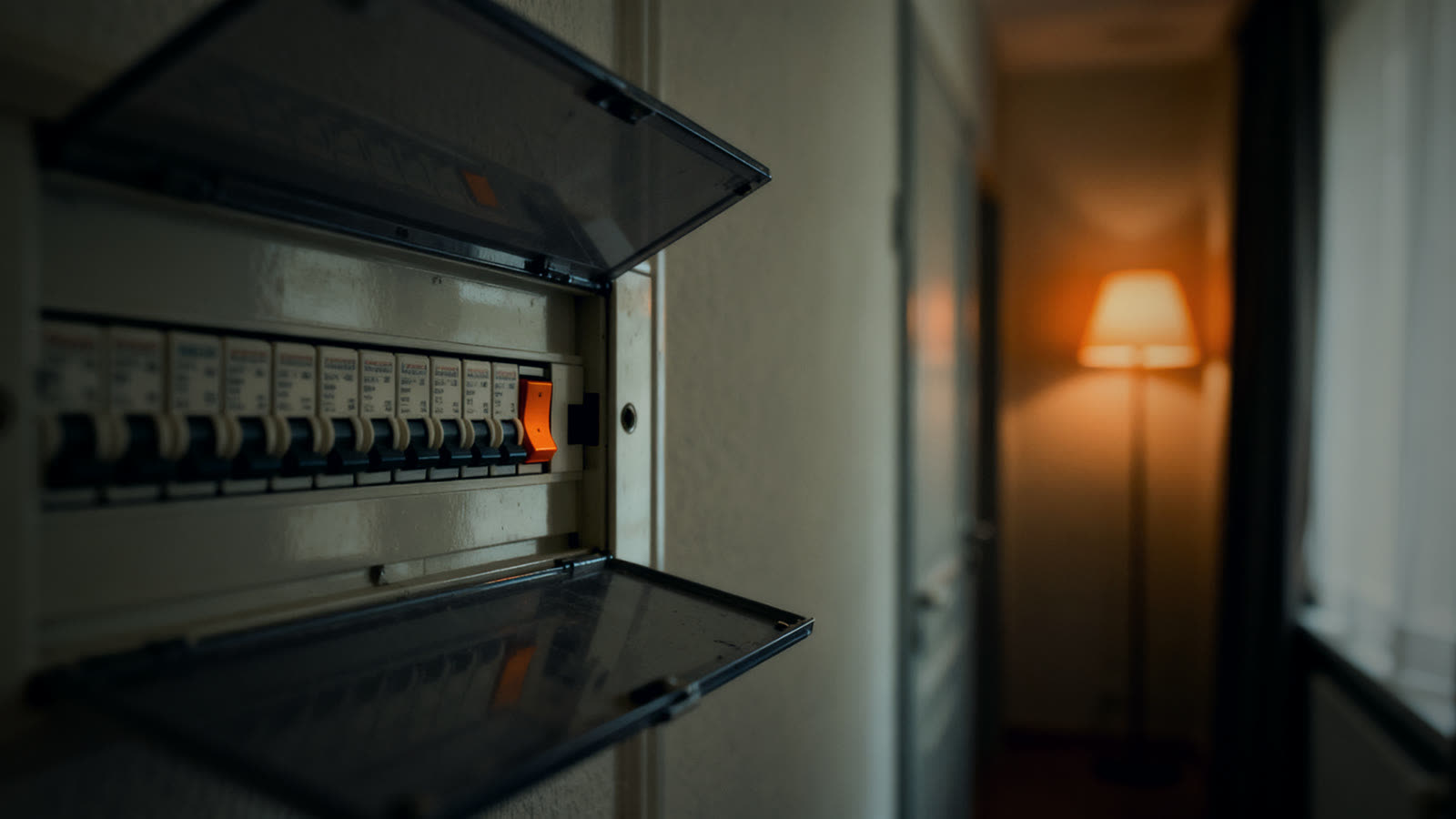
If the power is only out in your home, the cause might be in your own electrical system. Check your circuit breaker panel. If a circuit breaker has tripped, you’ll usually see this by the position of the switch that differs from the others. This observation is also important for the utility provider later, as they’ll ask whether a circuit breaker or fuse was the cause.
If it remains dark after your check, or if the entire neighborhood is also without power, the problem is likely outside your home. In that case, contacting the utility provider is the right course of action. Only touch switches and wiring that you feel confident operating, and get expert help if in doubt.
A quick checklist for your inspection:
- Is it dark throughout the entire apartment or only in certain rooms?
- Has a circuit breaker tripped in the breaker panel?
- Do your neighbors have power, both in the building and across the street?
- Is the street lighting working?
Write down the answers briefly on a piece of paper or in your phone. You’ll need them for the call.
Finding Your Grid Operator and Having the Outage Number Ready
Your local grid operator is responsible for power outages in your area. It’s not automatically the same company as your electricity provider—the one you have a contract with. Who provides the grid operator in your region depends on your location. In Berlin, for example, it’s Stromnetz Berlin, whose 24-hour outage management is available around the clock according to the district office.
You should clarify how to find your grid operator well before an emergency occurs. There is no single nationwide outage number. As a regional example, the city of Münster provides a 24/7 outage number for the local grid operator, as well as the portal störungsauskunft.de. This number applies explicitly only to Münster and is not a substitute for your own grid operator’s number.
Write Down the Number in Advance
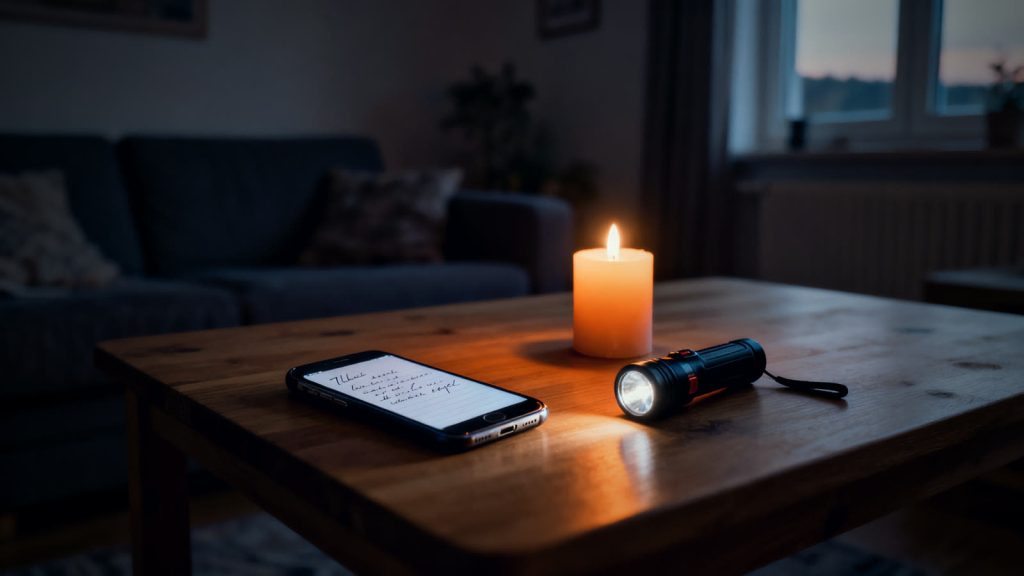
During an outage, the internet and router may stop working, and the mobile network can be overloaded. If you’ve only saved the outage number in your browser, you might not be able to get it when you need it. So write it down on paper now and add it to your emergency documents. A handwritten note posted on your breaker panel or in your document folder is more reliable than any app.
Your meter number and the information you use to identify yourself to the grid operator should be there too. That way, you don’t have to search for documents in the dark. The article The Document Folder: Securing Important Documents shows how to properly organize important documents.
Reporting a Power Outage: Step-by-Step Instructions
If the problem is not in your apartment or if you’re unsure, call your grid operator’s outage number. For widespread power outages, it’s especially important to report it. Stay calm and speak clearly. The staff will ask questions you can answer quickly based on your earlier investigation.
Have the Following Information Ready
The city of Münster lists the following important information to have when calling your grid operator:
- Personal Information and Meter Number: Your name, address, and electric meter number.
- Time of Outage: When did the power go out?
- Affected Area: Is only your household affected or the surrounding area as well?
- Trigger: Did a circuit breaker or fuse trip?
- Affected Devices: Which devices are no longer working?
The more precise this information is, the better the grid operator can assess the outage. A statement like “Our power has been out throughout the whole apartment since about 7 p.m., the neighbors in the building are also affected, and nothing tripped in the breaker panel” is much more helpful than “Nothing works at our place.” The time in the example is just for illustration, of course.
Turn Off Devices Before Power Returns
The city of Münster recommends turning off all connected electrical devices immediately to reduce the load on the grid. When power is restored, you can turn the devices back on one at a time. To do this, go through your apartment and unplug or turn off the devices that matter to you. For the stove and other devices that could pose a hazard if left on, this makes sense anyway.
Leave one light on, for example a hallway light. That way you’ll notice immediately when power returns. The article After a Power Outage: Checking Devices, Food, and Heating describes what to check after that.
What You Shouldn’t Do: Calling 110 and 112
It’s understandable that in the first moment you reach for the phone and dial a familiar number. However, 110 and 112 are not intended for a power outage. The Bezirksamt Tempelhof-Schöneberg (Berlin district office) clearly states that you should not call the emergency numbers of police or fire department to report a power outage. The City of Münster adds that emergency lines should remain free for genuine emergencies.
It’s different if people are in danger, such as during a medical emergency or fire. Then you naturally call the emergency number. How to do this correctly even with poor signal is explained in the article How to Call an Emergency Number Correctly: 112 Even with Poor Signal. Those who depend on electricity at home for medical devices will find information at Power Outage: Protecting Medical Devices at Home.
According to the City of Münster, emergency call centers are activated at fire stations, police stations, and other locations during widespread outages. You can find out where these are located in your municipality through your city or county’s official channels.
After Reporting: Staying Informed
After reporting the outage, one thing remains above all: gather information and wait calmly. As long as telecommunications are working, according to the district office, you can stay informed through the district office’s social media channels, emergency alert apps like NINA and Katwarn, local media, and a battery-powered radio. It’s worth being conservative with your phone’s battery. Dim the display and close apps you don’t need.
A radio is the most reliable backup because it works even when mobile networks are overloaded. Why a hand-crank radio is suitable for this is explained in the article The Hand-Crank Radio: Why Every Household Needs One. You’ll find more about warning channels at Public Warning System: NINA, Cell Broadcast, Sirens, and additional ways to stay informed without the internet are shown in Staying Informed Without Internet.
Contact Points During Larger Outages
During larger outages in Berlin, according to the district office, disaster management support points are set up as local contact points. Whether and how such contact points exist at your location varies from municipality to municipality. Find out in advance what your city has planned. You’ll find more on this topic at Emergency Meeting Point: Where to Find Help in an Emergency.
For the Wait: Light and Supplies at Hand
You usually can’t know at the beginning how long a power outage will last. It’s good if you can get through the first few hours comfortably. The City of Münster recommends keeping supplies of drinking water, food for 10 to 14 days, battery-powered flashlights, candles, and a hand-crank radio. You don’t have to get everything at once, but a few essentials should always be easy to find.
A flashlight or headlamp kept in a fixed, known location is the most important foundation. Tips for selecting one are found in the article Choosing a Flashlight and Headlamp Correctly. Candles are possible, but they require attention because an open flame in a dark apartment is a risk. Place them securely and never leave them unattended.
An overview of how to proceed step by step if the outage lasts longer is provided in the article Power Outage: What to Do Right in the First 24 Hours. How to build up supplies sensibly is shown in Emergency Supplies for 10 Days According to BBK Recommendations. The BBK (Germany’s Federal Office of Civil Protection) also provides a guide for emergency preparedness that covers power outages as well. The details are in the downloadable checklists and PDF there.
Frequently Asked Questions
Who should I call if the power goes out?
You call the grid operator, not the police or fire department. For larger power outages, their disruption hotline is the right point of contact. In Berlin, this is the 24-hour outage management service of Stromnetz Berlin, available around the clock. The number varies by region.
How do I find my grid operator?
Your grid operator depends on where you live and is not necessarily your electricity provider. It’s best to check in advance with your city or municipality and write down the disruption hotline number on paper. As a regional example, the city of Münster also mentions the portal störungsauskunft.de. There is no nationwide unified number.
What does it mean if the power outage only affects me?
Then the cause may lie in your own electrical installation. Check whether a circuit breaker or fuse has been triggered in your fuse box, and ask your neighbors. If you haven’t found the cause or are unsure, it makes sense to report it to your grid operator. There you can also describe what triggered the outage and which devices are affected.
What information does the grid operator need?
According to the city of Münster, this includes your personal data and meter number, the time of the outage, the affected area, the possible cause (circuit breaker or fuse), and the affected devices.
Can I call 112 during a power outage?
Not to report the outage itself. Emergency numbers should remain free for actual emergencies. However, if there is danger to people, such as from a medical problem or a fire, you should of course still call emergency services.
Your Next Steps
You don’t have to do everything at once. With these steps, you’ll be well prepared for the next outage:
- Find out who your grid operator is and write down their disruption hotline number on paper.
- Add your meter number and access credentials and keep everything in one fixed place.
- When an outage occurs, determine: Does it affect only you or your neighbors too? Has a circuit breaker or fuse been triggered?
- Turn off connected devices and leave one light on as a signal.
- Report the outage to your grid operator with the time, affected area, the cause, and the devices affected.
- Keep a flashlight and battery-powered radio ready and get information through NINA, Katwarn, or local media.
Once you’ve gone through these steps, you’ll act more calmly in an emergency. A power outage is inconvenient, but with a little preparation, it’s manageable.
Sources and Further Information
General information, no substitute for individual advice from authorities, emergency services or medical professionals. In an emergency in Europe: 112.