📌 Part of the guide: Preparing for a Power Outage: Light, Heat, Communication
After a power outage, you check electrical devices for function and possible damage and immediately monitor the temperature in your refrigerator and freezer. You may also need to reset clocks and heating, and you should document any damage. If you proceed calmly and systematically, you’ll keep everything organized.
In this article, we walk through the steps that matter after power is restored: what you can do in advance, how to check devices, what to watch for with food, what to consider for heating, and how to document damage. All guidance is based on information from consumer protection organizations, the Bavarian Ministry of Agriculture, and the BBK (Germany’s Federal Office of Civil Protection and Disaster Assistance).
After a power outage: What to do first?
When the lights come back on, relief is great. That’s exactly when it’s worth pausing for a moment. There are several things to check after an outage, and not all are equally urgent. A systematic approach helps you not forget anything and prevents panic.
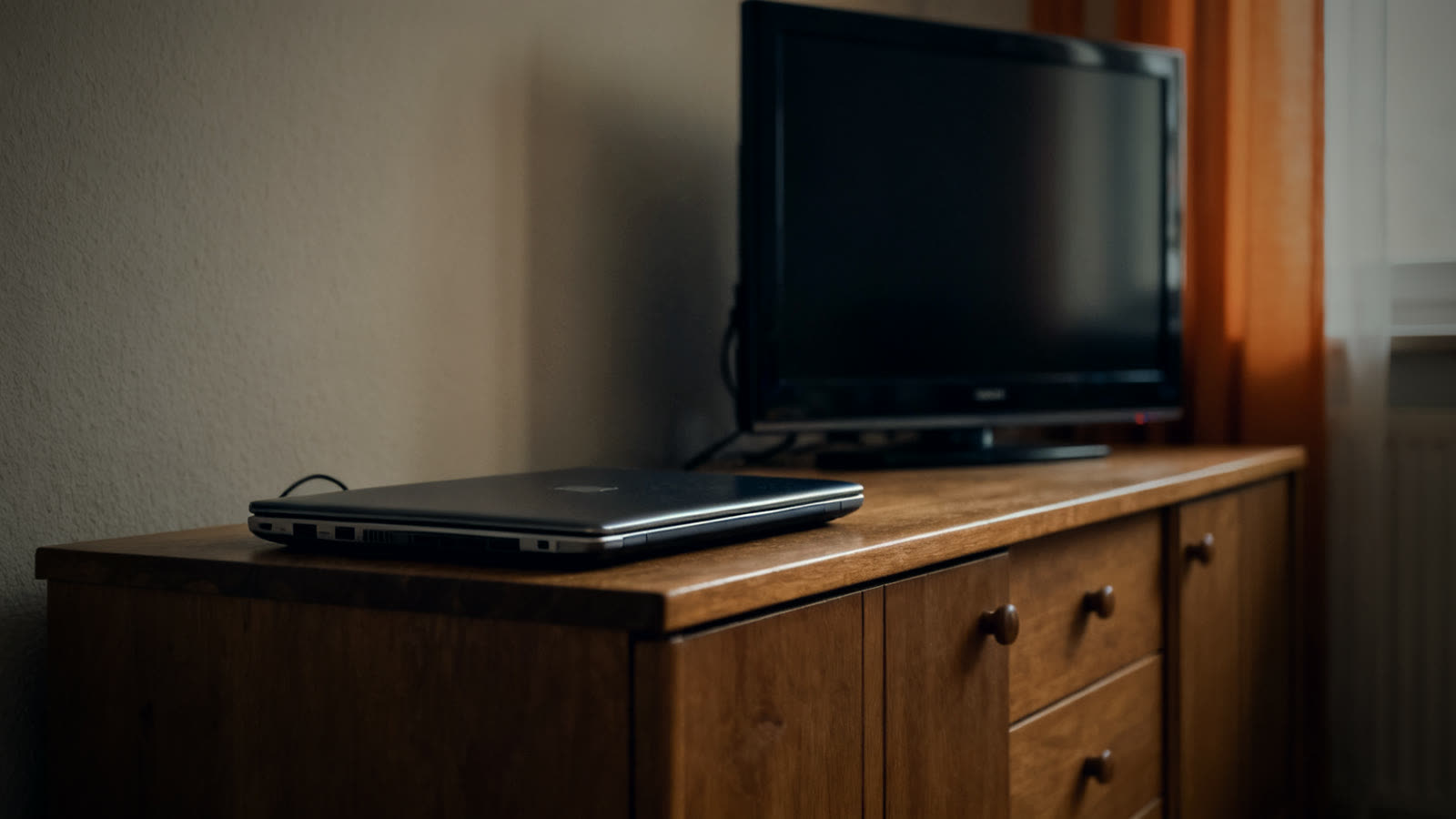
The most important step actually comes before power is restored: you should turn off sensitive electronics like computers or televisions before power returns. This prevents damage from power surges. This is the recommendation from consumer protection organizations. If power was already back before you thought of it, just proceed with the following steps.
- As soon as power is restored, immediately check the temperature in your refrigerator and freezer.
- Then check electrical devices for function and possible damage.
- Check clocks, heating, and other devices that may lose their settings.
- In winter, watch pipes for leaks and unusual noises.
- Document any damage that has occurred.
This sequence is a guide. Most importantly, proceed systematically rather than checking everything at once. How to handle yourself during the outage is covered in our article Power Outage: Handling the First 24 Hours Correctly. Here we cover what comes after.
Staying calm helps
After an outage, there’s often a lot to do at once: food, technology, heating, maybe worrying about relatives. A brief moment of calm prevents mistakes. Take a breath, get an overview, and then work through it point by point. If there are multiple people in the household, you can divide the tasks: one person takes care of cooling devices, another takes care of devices in the living areas.
Find more about what can be affected by an outage in our article What Fails During a Power Outage? Heating, Water, Cell Phone, Cash Registers.
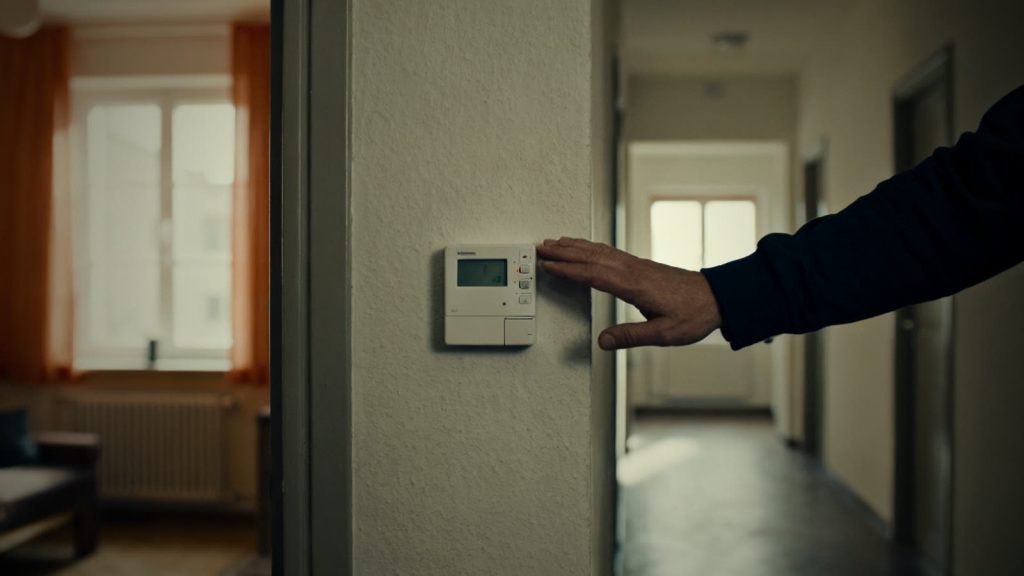
Check Devices and Avoid Power Surges
The Verbraucherzentrale (Germany’s consumer protection center) recommends checking electrical devices after a power outage for functionality and possible damage. This sounds obvious, but it’s a good habit. Go through each device and pay attention to whether it works as usual. If you notice anything unusual, note it down so you can review it later.
Why Sensitive Electronics Require Special Attention
Computers, televisions, and similar devices are considered sensitive. When power is restored, voltage spikes can temporarily occur. That’s exactly why the recommendation is to turn off such devices before power returns. If you know that an outage might last longer, it makes sense to turn off these devices early so you don’t have to worry about it later.
The Verbraucherzentrale’s guidelines focus on turning off devices before power returns. Additional protective measures are not the subject here. If you’re unsure whether a device has been damaged, check the manufacturer’s manual or contact the manufacturer.
What You Might Notice When Checking
When checking, there are two questions: Does the device still work, and does it show any unusual signs? A device that won’t turn on anymore or behaves differently than usual should be documented. Damage may not show up until later. Therefore, carefully monitor your devices over the following days without getting overly worried.
Check Settings
Clocks, heating systems, and other devices may need to be reset after an outage because they can lose their settings. Remember, it’s not just the kitchen clock. Devices with time schedules or stored settings can also be affected. Walk through your home once and check what time or schedule is displayed. If something is incorrect, reset it.
If you want to be better prepared for outages in the future, take a look at the article Calculate Your Emergency Power Needs.
Refrigerator and Freezer After a Power Outage
During a power outage, your refrigerator and stove stop working. Perishable food is therefore at risk during prolonged outages. The BBK (Germany’s Federal Office of Civil Protection and Disaster Assistance) advises against opening the refrigerator unnecessarily. Consumer protection organizations also recommend keeping your refrigerator and freezer closed during the outage. This applies for the duration of the outage. As soon as power is restored, immediately check the temperature.
How Long Does the Cold Last?
A well-stocked freezer maintains safe temperatures for approximately 24 hours without power when the door remains closed. Fully stocked appliances retain cold longer. This is a guideline and not a guaranteed value. What actually happens in your appliance will be shown by the temperature you check once power returns.
Temperature Thresholds in the Freezer
The Bavarian Ministry of Agriculture cites guidance from the Federal Institute for Risk Assessment: Down to minus 12 °C, food poses no risk. Above minus 5 to minus 8 °C, there is a risk of foodborne illness.
Note that there is a range between these two readings about which the source makes no statement. Do not interpret these values as reassurance for anything warmer than minus 12 °C. If your appliance shows higher temperatures, proceed with caution and use the following guidance.
What to Do with Thawed Food
Check food before consumption using a sensory test: appearance, smell, and texture. Meat, fish, seafood, dairy products, egg products, and homemade leftovers carry the highest risk of food poisoning. They should be discarded if they have thawed. Thawed ice cream should also be thrown away.
- Cooked dishes and raw plant-based foods can be refrozen after thawing.
- Food that might be spoiled is discarded.
- Children, elderly people, pregnant women, and immunocompromised individuals should not eat questionable food.
The sensory test is not a substitute for temperature control; it complements it. When in doubt about food, err on the side of caution, especially if vulnerable people will be eating. A detailed overview can be found in the article Freezer During Power Outage: What to Keep, What to Discard?.
If you want to reduce food loss in the future, a pantry stocked with items that don’t require refrigeration helps. The article Foods with Long Shelf Life offers ideas on this.
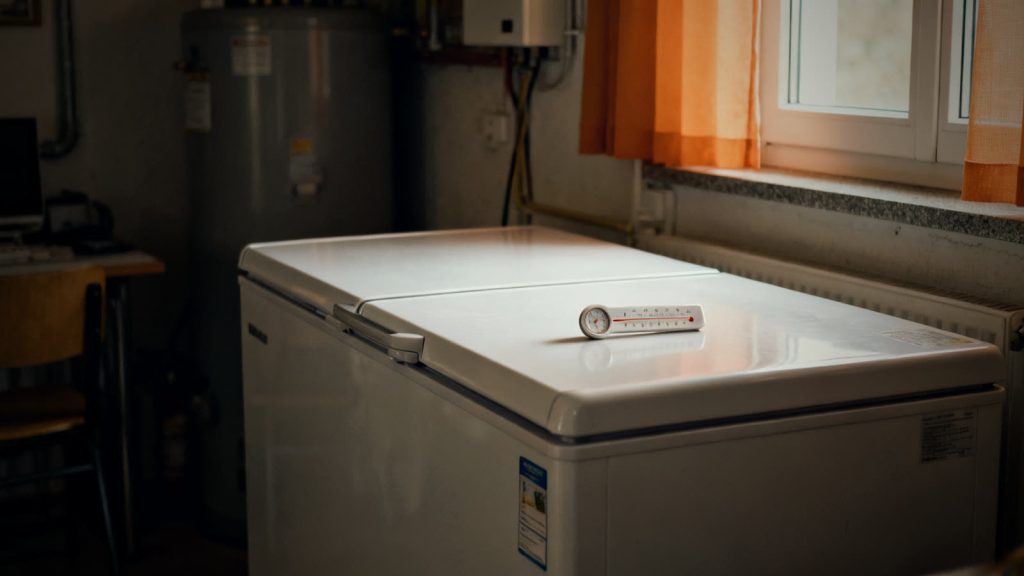
Check your heating after a power outage
After a power outage, heating systems and other appliances may lose their settings. Consumer protection agencies therefore point out that they may need to be reconfigured. This doesn’t mean it’s always necessary. You can verify this by checking whether the display is still showing accurate readings.
- Check the time on the thermostat or display.
- Verify that the heating program and desired temperatures are still set.
- Reset any lost settings.
If you’re unsure about your system, the manufacturer’s manual can help. For tips on keeping your home warm in the meantime if your heating isn’t back on yet, read our article Keep your home warm when the heating fails.
Monitor pipes in winter
During winter power outages, pipes can freeze. After power is restored, watch for leaks or unusual sounds. Walk through your home carefully and pay attention to anything that seems out of place. If you discover a leak, document it and seek professional help.
Don’t forget to ventilate
If you used alternative heating or lighting during the outage, remember: regular ventilation is essential to prevent oxygen depletion. The BBK (Germany’s Federal Office of Civil Protection) cites a fireplace as an example of an alternative to electrically-powered heating. For more information about the dangers of emergency heaters, see our article Carbon monoxide: the invisible danger of emergency heaters.
Document damage
Document any damage that occurs so you can file potential insurance claims. This is the recommendation of consumer protection agencies. Whether and to what extent insurance will cover damage depends on your specific policy. We can’t provide general guidance on this.
It’s helpful to record everything that might be useful for a later claim. This includes affected appliances, any unusual occurrences, and the timing of events to the extent you know them.
- Record which appliances were affected and what you noticed.
- Take photos of any visible damage.
- Record when the outage occurred and when power was restored, if you know.
It’s best to keep important documents together in one place. For tips on how to do this, read our article The document folder: protecting important papers.
Frequently asked questions
What should I do first after a power outage?
Immediately check the temperature in your refrigerator and freezer, and inspect electrical appliances for function and possible damage. Then check whether your clocks and heating need to be reset.
How long will a freezer stay cold without power?
A well-stocked freezer will maintain safe temperatures for approximately 24 hours with the door closed. Fully-loaded freezers stay cold longer. What matters is the temperature you check when power is restored.
What food do I need to discard after a power outage?
Discard meat, fish, seafood, dairy products, egg-based products, and homemade leftovers if they have thawed. Thawed ice cream should also be thrown away. Check other items using your senses.
Which appliances should I turn off before power is restored?
Sensitive electronics like computers and televisions should be turned off before power returns. This prevents damage from power surges.
Do I need to reset my heating after a power outage?
Possibly. Heating systems, clocks, and other appliances may lose their settings and may need to be reset. Check the time and settings to be sure.
Your action steps after a power outage
If you only want to remember one sequence of steps, remember this one:
- Beforehand: Turn off sensitive electronics like computers and televisions before power is restored.
- Cooling appliances: Check the temperature immediately, avoid prolonged opening, check food using your senses, and discard risky products if thawed.
- Appliances: Check for proper function and any possible damage.
- Heating and clocks: Check settings and reset if necessary.
- Pipes: Watch for leaks and unusual sounds in winter.
- Document: Record any damage so you can file potential insurance claims.
If you want to be better prepared for the next outage, check out our article Power station or power bank – what do I need?
Sources and Further Information
General information, no substitute for individual advice from authorities, emergency services or medical professionals. In an emergency in Europe: 112.