
New articles on personal emergency preparedness appear here regularly – up to date, explained in plain language, and backed by official sources such as the BBK (Germany’s Federal Office of Civil Protection). You’ll find the basics in our topic guides.
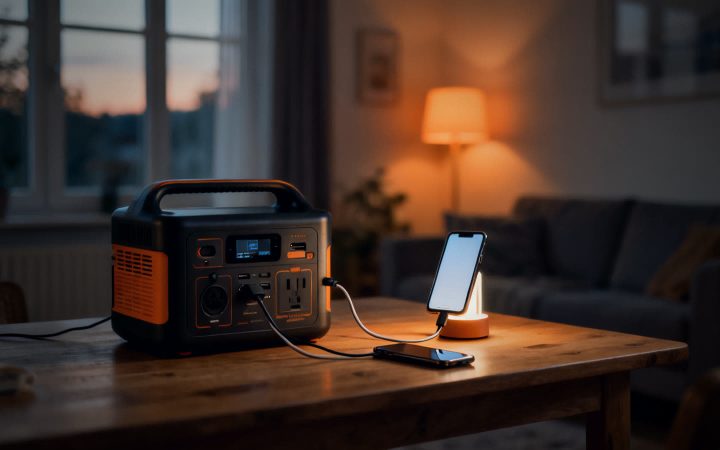
Buying a Power Station: What to Look for in a Power Outage
Capacity, continuous output, battery type, UPS function, and weight: the criteria that matter in a power station for a power outage, instead of best-of lists.
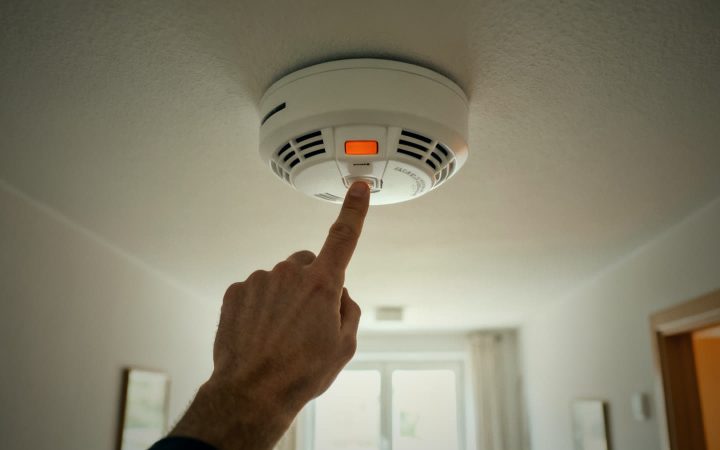
Readiness Check: Smoke Detector Day – Test Your Smoke Alarms Now
Smoke Detector Day (Rauchmeldertag) reminds you of your smoke alarms on a Friday the 13th. Your household is quickly checked: locations, function, and age of the devices.
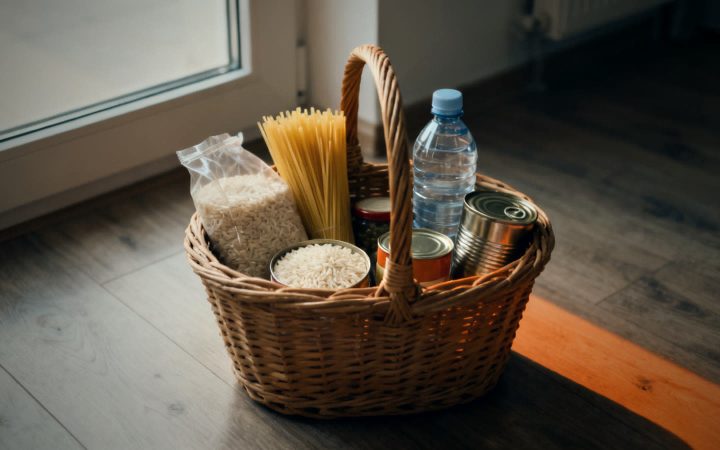
Emergency Food Supply Cost: What 10 Days of Preparedness Really Costs
What does a 10-day emergency food supply really cost? A price comparison between building your own and buying ready-made emergency kits.
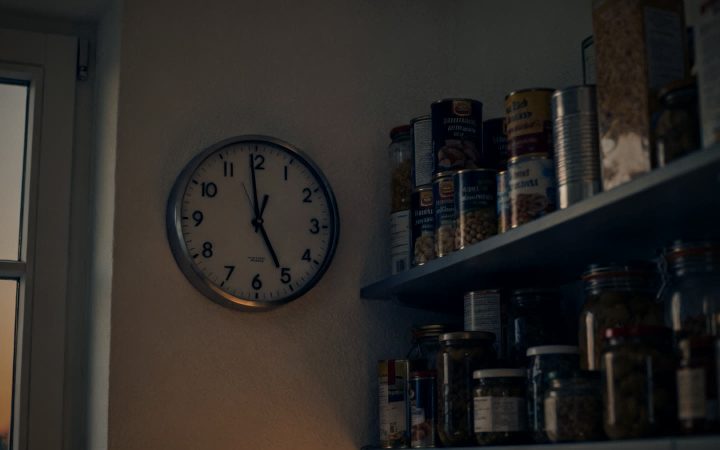
Check Your Emergency Supplies: A Simple Routine for Daylight Saving Time
When the clocks change, check your emergency supplies, batteries, and smoke detectors. A simple routine that's easy to remember and hard to forget.
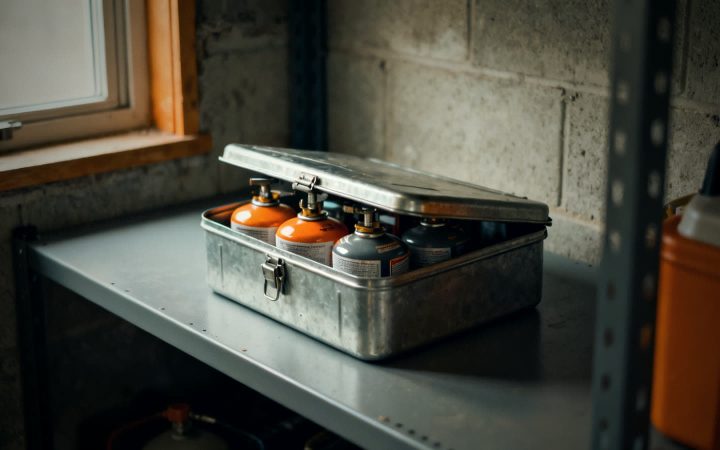
Storing Gas Canisters in Your Apartment: Rules and Limits
How many gas canisters can you store in your apartment, why the basement is off limits, and how to safely store denatured alcohol and kerosene.
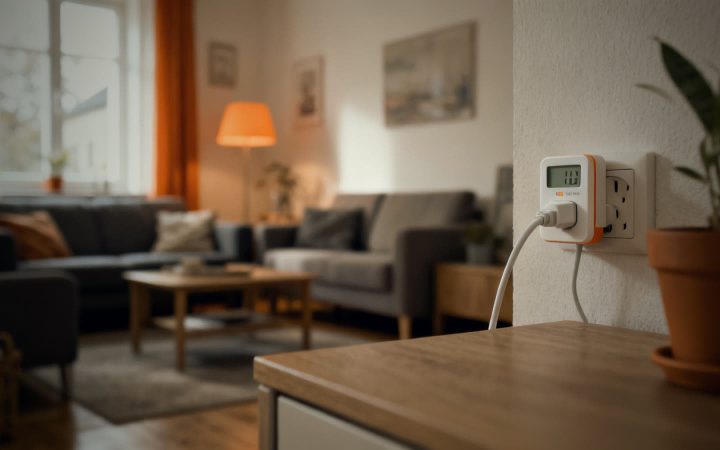
How to Calculate Your Power Needs for an Emergency
How many watt-hours do you really need for an emergency? Here's how to calculate your power needs yourself, step by step.
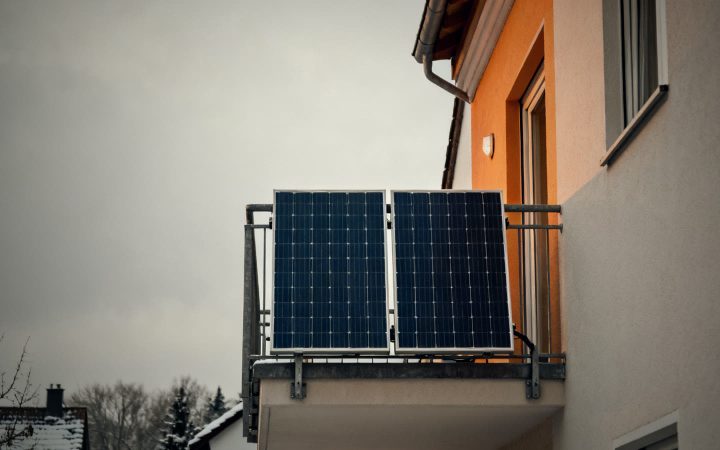
Plug-In Solar During a Power Outage: What Really Works
Can a plug-in solar system help during a power outage? A realistic look at battery storage with backup power function and its limits.
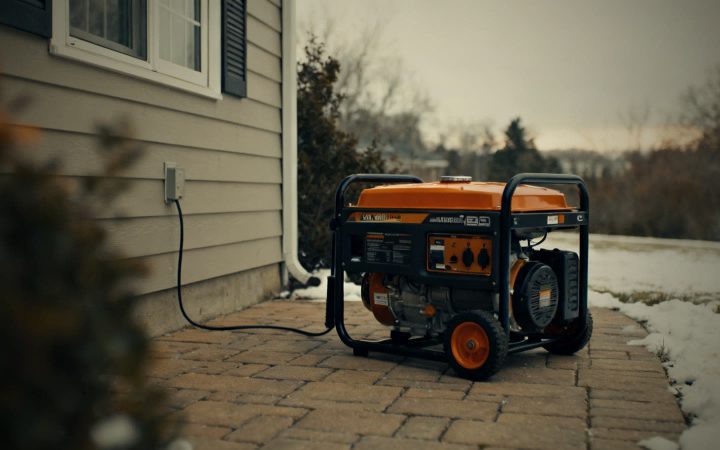
Home Backup Generator: Worth It, Legal, and Safe?
Home backup generator: power output, costs, safety, and registration – what you need to know before you buy.
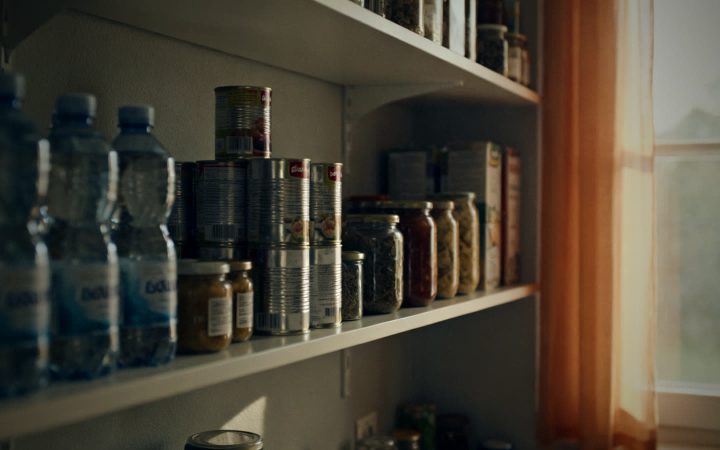
Getting Started With Emergency Preparedness: Why an Emergency Supply Makes Sense
Why an emergency supply is sensible rather than alarmist: a calm introduction to emergency preparedness for everyday people.
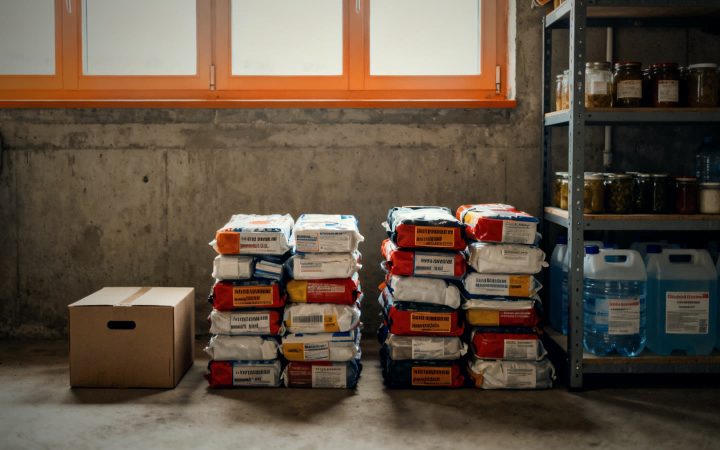
72 Hours or 10 Days? EU and BBK Emergency Supply Guidelines Explained
The EU says 72 hours, while the BBK (Germany's Federal Office of Civil Protection and Disaster Assistance) recommends 10 days. Here's why both numbers are right and how to combine them in your emergency supplies.
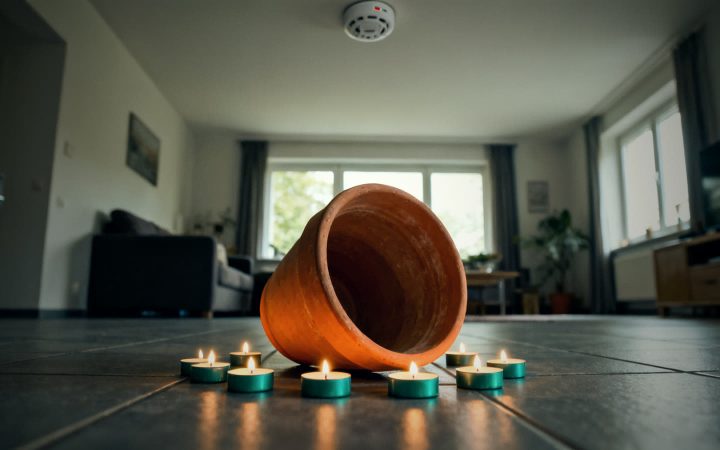
Tea Light Heaters & Co.: Which Emergency Heating Tips Are Dangerous
Tea light heater, grill indoors, or camping stove as a heat source: Many emergency heating tips sound practical, but they are risky. A myth check.
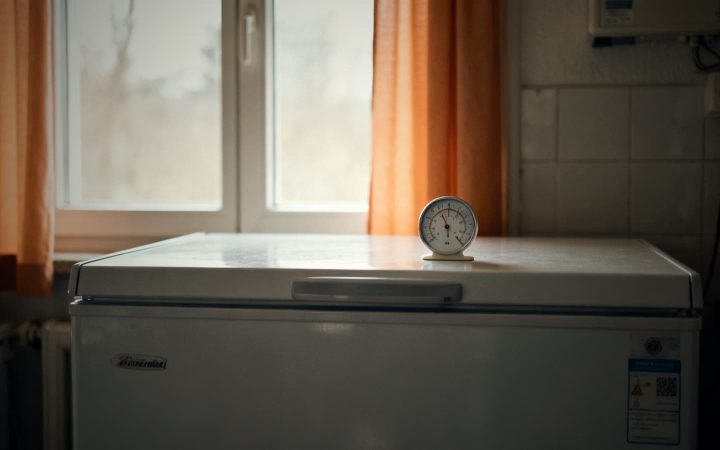
Freezer During a Power Outage: What to Keep and What to Toss
Find out what stays safe in your freezer and fridge during a power outage, what thaws, and what you should throw out if in doubt.