Emergency preparedness makes sense because it makes you independent of outside help when things get tight during the first days of a power outage, a severe storm, or another disruption. The BBK (Germany’s Federal Office of Civil Protection and Disaster Assistance) recommends being able to take care of yourself for ten days if possible – even an emergency supply for at least three days helps a great deal, according to the BBK. This isn’t about doomsday, but about completely normal everyday preparedness.
Why an emergency supply isn’t extreme, but normal
When people hear the word “emergency supply,” they often think of bunkers and a state of emergency. In reality, the recommendation is much more down-to-earth: the BBK advises keeping a supply for ten days, because that is long enough to bridge most disruptions – power outages, blocked roads, supply shortages. It’s the same idea as a full fridge before the weekend, just thought through a bit more thoroughly.
This has long been standard at the European level, too: the European Commission’s EU Preparedness Union Strategy recommends that citizens build up supplies for at least 72 hours. That shows that preparedness is the official line, not a fringe topic.
Prepper stereotypes: what’s really behind them
The common prepper stereotypes – wild, fearful, over the top – have little to do with sensible emergency preparedness. A supply based on the BBK recommendation consists of things every household needs anyway: water, non-perishable food, a few hygiene items, light, a radio. You can find more about the 10-day emergency supply based on BBK recommendations in a separate article.
According to the BBK, it’s important that your supply is tailored to your own needs: food intolerances, personal preferences, and the storage space you have available should be taken into account. So there is no one-size-fits-all solution that looks the same for every household – and that’s a good thing.
Preparedness without fear: the real benefit
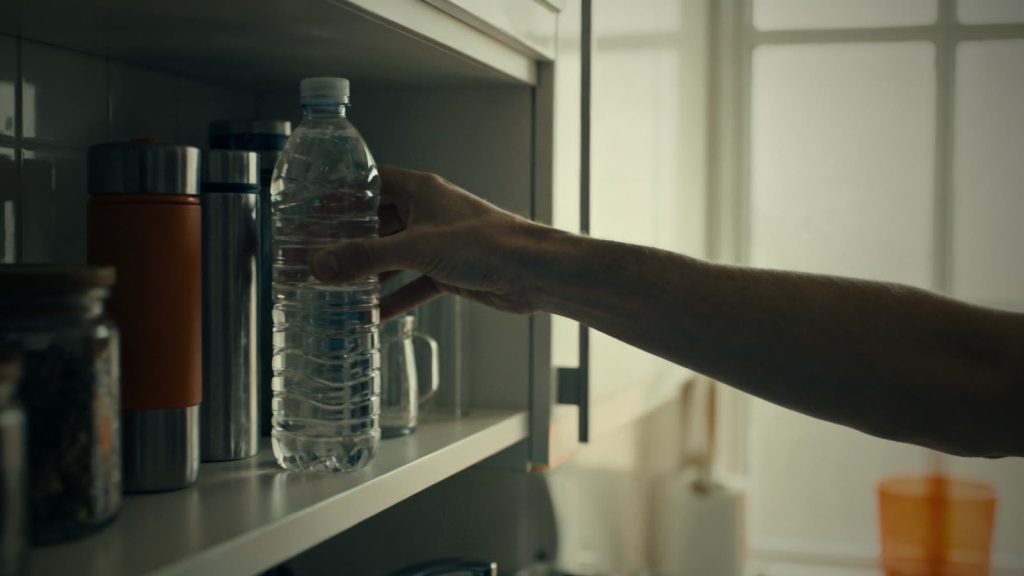
Perhaps the most important point is often overlooked: preparing reduces anxiety rather than causing it. The BBK (Germany’s Federal Office of Civil Protection and Disaster Assistance) states explicitly that being prepared helps reduce fears and worries, and that knowing what you can do for yourself and others in an emergency makes a difference. If you know there is water and a few meals in the cupboard, you don’t have to rush to the supermarket in a panic when the next severe weather warning comes.
The BBK also advises staying in contact with other people during a crisis and talking things through, keeping up daily routines, getting exercise, and using relaxation techniques. Add to that enough sleep, enough water and food, and limited media consumption. Mutual support is considered central here, because it helps you get an overview of the situation and reduces the feeling of being alone with your worries.
Preparedness as part of everyday life
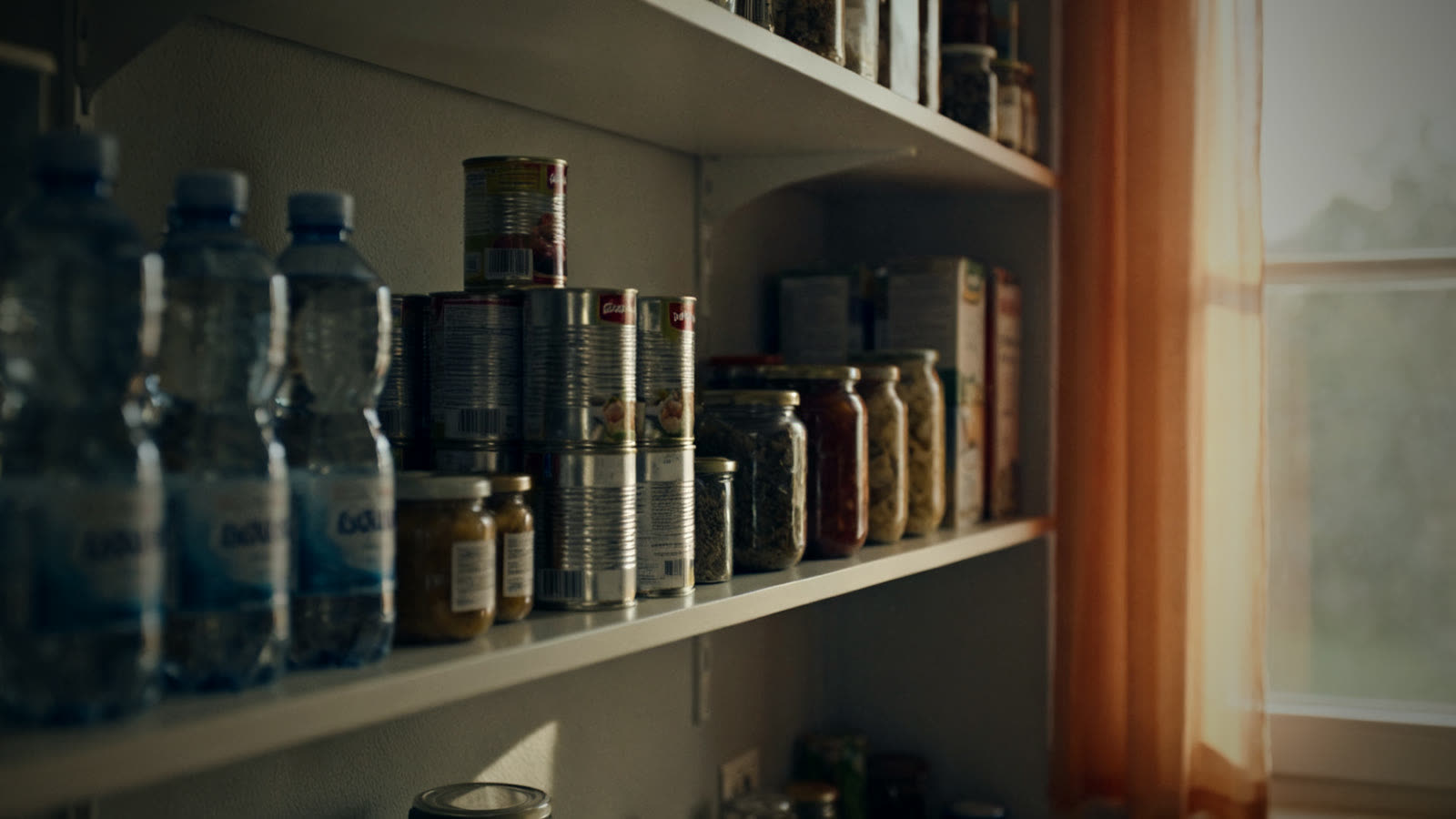
A well-organized emergency supply is not a special project. It can be built into your normal shopping. If you follow the “living supply” principle, you buy a bit more of what you normally buy and use it up as usual in everyday life. Nothing gathers dust, and nothing expires unnoticed.
- Water for several days, as described in the article How Much Drinking Water Do I Need in an Emergency?
- Non-perishable staple foods that you already eat
- A radio or another way to stay informed
- Light and a power source in case of a power outage
- A few basic hygiene and first aid supplies
What authorities and the EU say about it
Emergency preparedness has long been a political issue as well. The European Commission’s EU Preparedness Union Strategy includes 30 key actions to strengthen crisis management in the EU. These include minimum standards for critical services such as hospitals, schools, transport, and telecommunications, so that they keep working even in a crisis.
The strategy also provides for introducing emergency preparedness lessons into school curricula and establishing an EU-wide preparedness day. Also planned is an integrated “EU Crisis Hub” to bring together existing crisis structures, as well as regular EU-wide exercises involving armed forces, civil protection, and emergency responders. Personal preparedness is therefore part of a larger, fully official system – not a lone effort on the fringes of society.
Putting emergency preparedness into practice: small steps instead of a big leap
The most common mistake is seeing preparedness as an all-or-nothing project. It makes more sense to start small: for one week, add one non-perishable item to every shopping trip, then add water, then organize light and information. If you want to know how to do this in set stages, you’ll find it in the article Prepared in 30 Days.
Your living situation matters too. Not everyone has a basement or a pantry – especially in the city, where space is often tight. There are dedicated solutions for this, for example in the article Emergency Preparedness in a Small Rental Apartment.
Frequently Asked Questions
Is an emergency supply only for preppers?
No. The BBK (Germany’s Federal Office of Civil Protection and Disaster Assistance) recommends that all households be able to take care of themselves for several days. This is a general preparedness recommendation, not a niche topic for one specific group.
How many days should your supplies last?
The BBK recommends ten days if possible, but stresses that even a supply for at least three days helps a great deal. In its strategy, the European Commission cites at least 72 hours as a benchmark.
Doesn’t preparing just make people more anxious?
According to the BBK, the opposite is true: being prepared and knowing what you can do helps reduce fears and worries.
Do I need a lot of space for an emergency supply?
Not necessarily. The BBK points out that the storage options you already have should be taken into account when stocking up. Your supplies are adapted to your living situation, not the other way around.
Where can I find official checklists?
The BBK provides downloadable checklists for preparing for crises and disasters, as well as a detailed guide to download.
How to Take Your First Steps
Getting started with emergency preparedness in a sensible way means starting small and specific instead of waiting for the perfect moment:
- Determine what your household normally uses in three to ten days
- Gradually add long-lasting versions of those items with your next shopping trips
- Sort out water, light, and a way to stay informed
- Rotate your supplies instead of leaving them untouched
- Talk to family or neighbors about it – according to the BBK, mutual support is a key factor
If you like, read next about how to organize all of this for the whole family in the article Emergency Preparedness for Families: Getting Ready Together.
Sources and Further Information
General information, no substitute for individual advice from authorities, emergency services or medical professionals. In an emergency in Europe: 112.