📌 Part of the guide: Packing a Go Bag: Checklist, Documents, and Family Plan
In case of a hazardous materials warning, the Federal Office of Civil Protection and Disaster Assistance (BBK) advises: stay in the building, close windows and doors, and turn off fans and air conditioners. You should also close the ventilation slots. You should only open windows or leave the building once the all-clear has been given.
The instruction to “close windows and doors” sounds simple. In an emergency, though, questions come up: What does that include? Where do you go in the house? How do you stay informed? This article walks through the points calmly and in sequence, based on the BBK’s guidance. Where the BBK provides no specific details, the statements deliberately remain general.
Hazardous Materials Warning: What the BBK Advises First
A warning about hazardous materials concerns the air you breathe, and therefore primarily the question of how you protect yourself from it. You don’t need to identify the substance yourself. What matters is that you know the protective measures the BBK recommends for a release of hazardous materials.
If you’re outdoors, the BBK advises going into a building and closing windows and doors there in case of gases or vapors. If you’re already at home or in a building, the advice is: stay in the building. Based on these recommendations, here are the steps:
- Stay in the building: If you’re outside, go into a building.
- Close and seal windows and doors.
- Turn off ventilation: turn off fans and air conditioners, close ventilation slots.
- Move to a safe room: an interior room that ideally has no external windows.
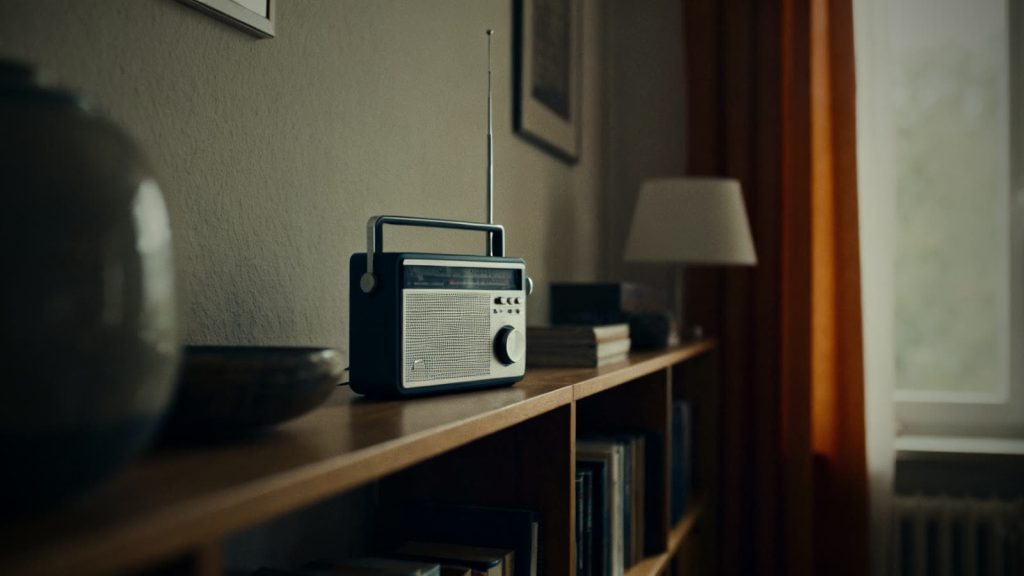
- Stay informed: turn on the radio (FM, local stations) or television.
- Notify neighbors and other residents and use the phone only in emergencies.
- Wait for the all-clear before leaving the building or opening windows.
This is not a rigid rule, but a guide. Which measure takes priority in any given situation can vary depending on the circumstances and the alert. How to stay capable of action in stressful situations is explained in the article Staying Calm in an Emergency.
Closing and Sealing Windows and Doors
The recommendation is deliberately brief so it’s easy to remember. The goal behind it is straightforward: as little outside air as possible should enter your rooms. This is why the BBK advises not only closing windows and doors but also sealing them.
Go through the openings systematically
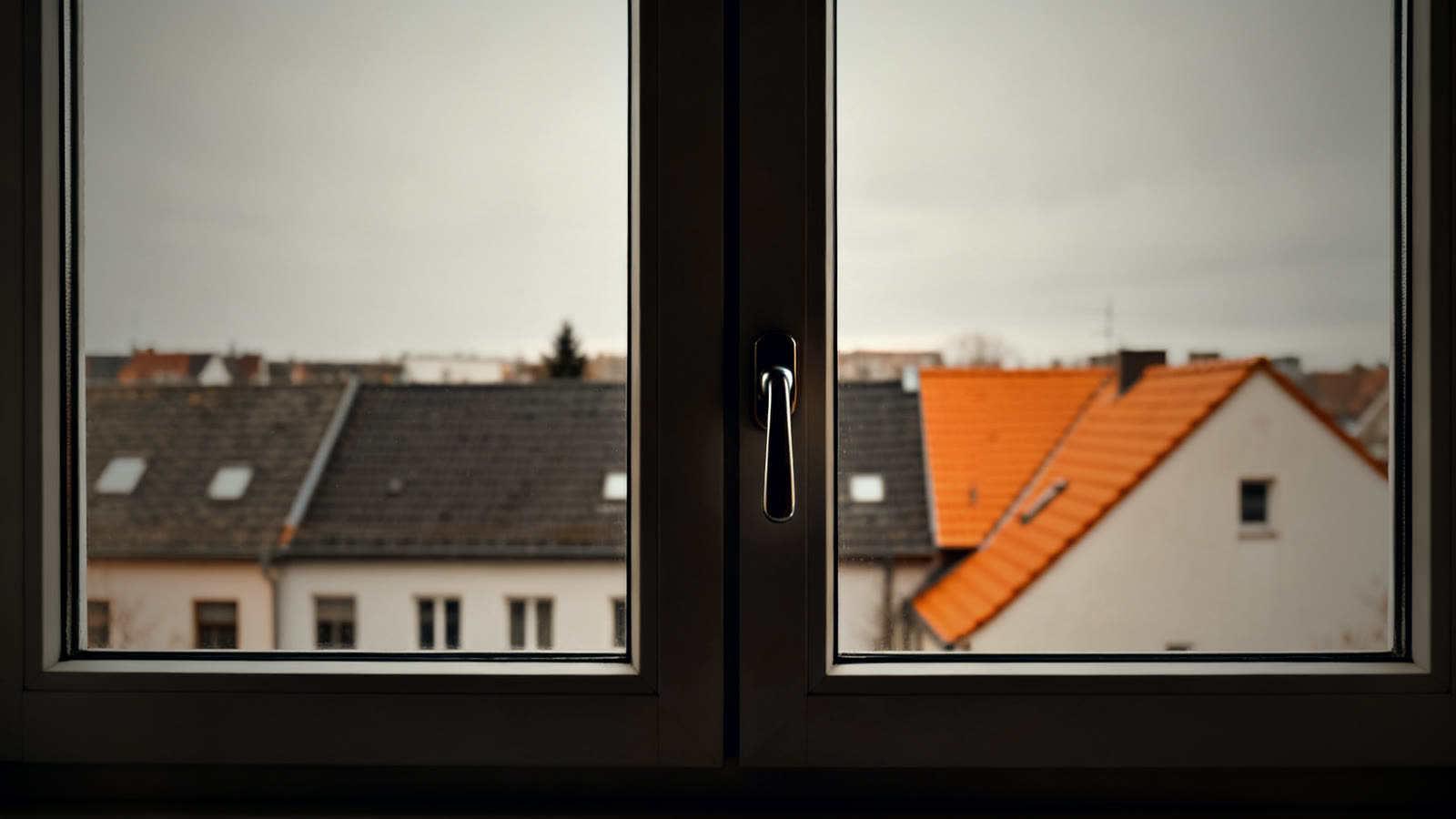
This means all openings to the outside. Think of windows in all rooms, balcony and patio doors, and the front door. It’s best to go through each room deliberately rather than relying on memory. In a stressful situation, it’s easy to overlook a window in a side room, basement, or stairwell.
Sealing: think about how beforehand
The BBK provides no specific method for sealing in the guidance used here. However, you can think ahead about which gaps at doors and windows in your apartment are noticeable and what you might have on hand to seal them. This advance thinking costs nothing in everyday life and saves time in an emergency.
Turning Off Ventilation: What BBK Recommends
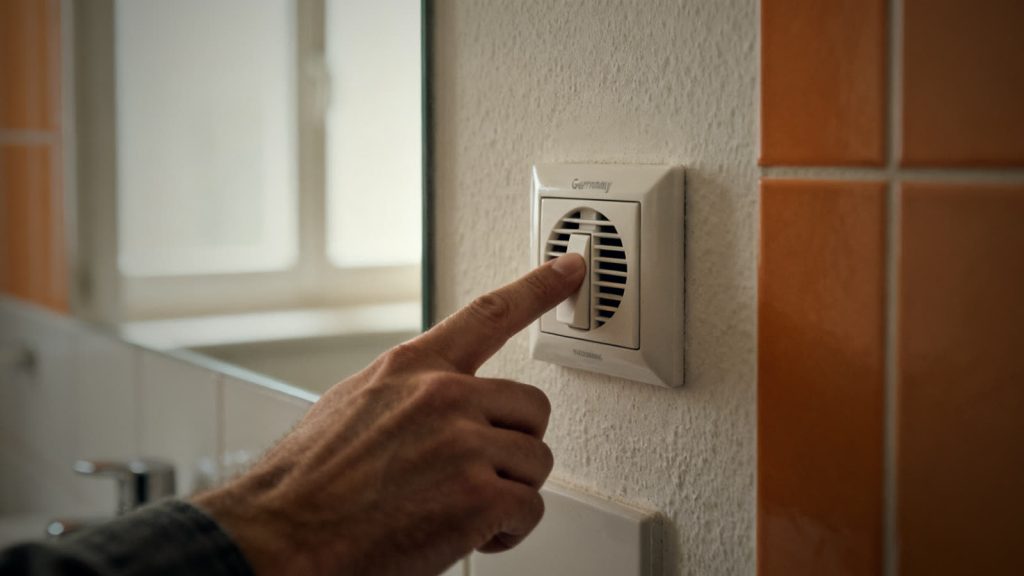
In addition to windows and doors, ventilation plays a role. The BBK (Germany’s Federal Office of Civil Protection) advises turning off fans and air conditioning units and closing ventilation slots. According to its protective measures guidance, windows and doors should be sealed and ventilation systems should be shut off.
What You Can Check in Advance
Not every apartment has the same equipment. It’s therefore worthwhile to clarify in advance what ventilation-related systems are in your home. For example, take a look at:
- Which fans and air conditioning units are in your apartment and where to turn them off.
- Where ventilation slots are located and how you can close them.
- Whether there are devices you cannot operate yourself, and who would be responsible in that case.
This list is a suggestion for preparation, not a directive from BBK. What matters is the underlying principle: outside air should, as much as possible, not be drawn into your rooms by technical means.
In Your Vehicle
This principle also applies in your vehicle. BBK advises turning off the ventilation and air conditioning in your car. You can find more information about vehicle emergency equipment in the article Emergency Equipment for Your Car.
Which Room in the Building Is Right?
BBK recommends seeking shelter in a protected interior room of the apartment that ideally has no exterior windows. What this room looks like in your apartment depends on your floor plan and building structure. It’s worth thinking in advance about which room might be suitable for you.
Gases and Vapors: Higher Floors
According to BBK, in cases of gases or vapors, higher floors should be sought since most gases are heavier than air. This is a second guideline in addition to finding an interior room without exterior windows. How you can combine both in your building depends on its construction. What matters more than a perfect solution is that you follow the announcements for your specific situation.
Radioactive Substances: Basements and Interior Rooms
BBK takes a different approach for radioactive substances. In that case, a basement room is preferred. In its protective measures guidance, BBK also states that you should seek shelter as deep as possible in interior rooms, or in basements, underground parking garages, and subway stations. Thick walls and earth increase radiation protection. These recommendations apply to radioactive substances, not to gases and vapors.
What Type of Hazard Is Present?
You will learn what kind of hazard is involved from the warning itself and from the public announcements. Follow these instructions. If nothing more specific is yet known, the basic steps remain: stay in your building, close windows and doors, turn off ventilation, and gather information.
Stay Informed and Warn Others
After closing and sealing, you’re not done. Now you need reliable information, as it will tell you how long you stay in your building and what to do next.
Turn On Radio and Television
BBK advises turning on the radio (FM, regional broadcaster) or television to stay informed. Therefore, check beforehand whether you have a device that receives FM, and where it is located. You can learn how to stay informed without internet in the article Stay Informed Without Internet.
Only Call in Emergencies
BBK advises only calling in emergencies. If you or someone else urgently needs help, a call is of course an emergency. For everything else, get your information from radio or television instead.
Inform and Help Your Neighbors
BBK recommends informing your neighbors and building residents. Endangered passersby can be temporarily accommodated. Pay attention to the protective measures in the building: windows and doors should remain closed. The article Warning the Public: NINA, Cell Broadcast, Sirens explains how warnings reach the population.
When hazardous materials enter and until the all-clear
Use respiratory protection
The BBK (Germany’s Federal Office of Civil Protection and Disaster Assistance) recommends: If hazardous materials enter, any available respiratory protection equipment should be used. This guidance refers to equipment you already have. Also follow announcements from authorities. If they issue different instructions, such as an evacuation, that instruction takes precedence. What to do in that case is covered in the article Evacuation: what to do if you have to leave your home.
Open windows only after the all-clear
The BBK recommends waiting for the all-clear before leaving the building or opening windows. So wait for the official announcement, even if conditions outside seem calm. With the all-clear, you know that authorities have reassessed the situation.
Frequently asked questions
What does ‘close windows and doors’ mean during a warning?
It refers to all openings to the outside. Additionally, the BBK recommends sealing windows and doors and turning off ventilation so that as little outside air as possible enters the rooms.
Should I turn off ventilation during a hazardous materials warning?
The BBK recommends doing so: Turn off fans and air conditioning and close ventilation slots. In a car, ventilation and air conditioning should be turned off.
Which room should I go to during a hazardous materials warning?
The BBK recommends a protected interior room with as few exterior windows as possible. For gases or vapors, it also recommends upper floors; for radioactive materials, a basement room.
When can I ventilate again after the warning?
Only after the all-clear. The BBK recommends waiting for it before leaving the building or opening windows.
May I make phone calls during a warning?
The BBK recommends only making calls in emergencies. Instead, get information from radio or television.
What you can do right now
With a few simple steps, you can prepare for such a situation. These suggestions are ideas for preparation:
- Walk through your home and see which windows and doors you have and how quickly you can close them.
- Find out where switches for fans and air conditioning are located and where ventilation slots are.
- Think about what you could use to seal gaps around doors and windows.
- Consider which interior room without exterior windows would work for you.
- Check if you have a radio that receives FM broadcasts and where it is located.
- Discuss the procedure with your family. The emergency contact list can help.
Anyone who has gone through these steps once will act more calmly in an emergency. In short, here’s what’s most important: stay in the building, close windows and doors, turn off ventilation, stay informed, and open windows only after the all-clear.
Sources and further information
General information, no substitute for individual advice from authorities, emergency services or medical professionals. In an emergency in Europe: 112.