📌 Part of the guide: Packing a Go Bag: Checklist, Documents, and Family Plan
To winterize your home, focus on the roof, walkways, and preparedness: secure your roofing, understand the risks of snow load and roof avalanches, stay cautious in snow and ice, and keep supplies and warnings at hand. This checklist draws on recommendations from the BBK (Germany’s Federal Office of Civil Protection and Disaster Assistance) and walks you through the most important points step by step.
A winter check isn’t a big project, just a manageable walk-around outside and inside your home. Preparing here mainly means sorting things out early instead of thinking about them only once it’s snowing and slippery outside. So start before winter weather is forecast. That way you have time to ask questions, contact professionals, and pick up supplies without rushing.
Winterizing Your Home: The Checklist at a Glance
Before we get into the details, here’s the overview. You can print the list or check items off on your phone. Each item is explained in the sections below.
- Secure the roofing with storm clips and sufficient nailing
- For flat roofs and wide-span ceilings, take precautions for load distribution
- Consider snow guards to protect against roof avalanches
- Keep away from sloped roof surfaces with snow and ice
- Be careful in snow and ice to avoid falls
- Plan a backup power supply for your heating system
- Stock up on food and drinks
- Pay attention to weather warnings and check the warning status with the Deutscher Wetterdienst (German Weather Service)
- Teach children about the risks of playing with snow and hard snowballs
You don’t have to do everything at once. Work through the items one after another and check them off. What matters is that no item is left open that could cause you problems in snow and ice.
This article deliberately gives no instructions on water pipes and outdoor faucets. Follow the manufacturers’ guidelines there, and if in doubt, ask a plumbing contractor before you work on pipes yourself.
Snow Load on the Roof: What You Should Know
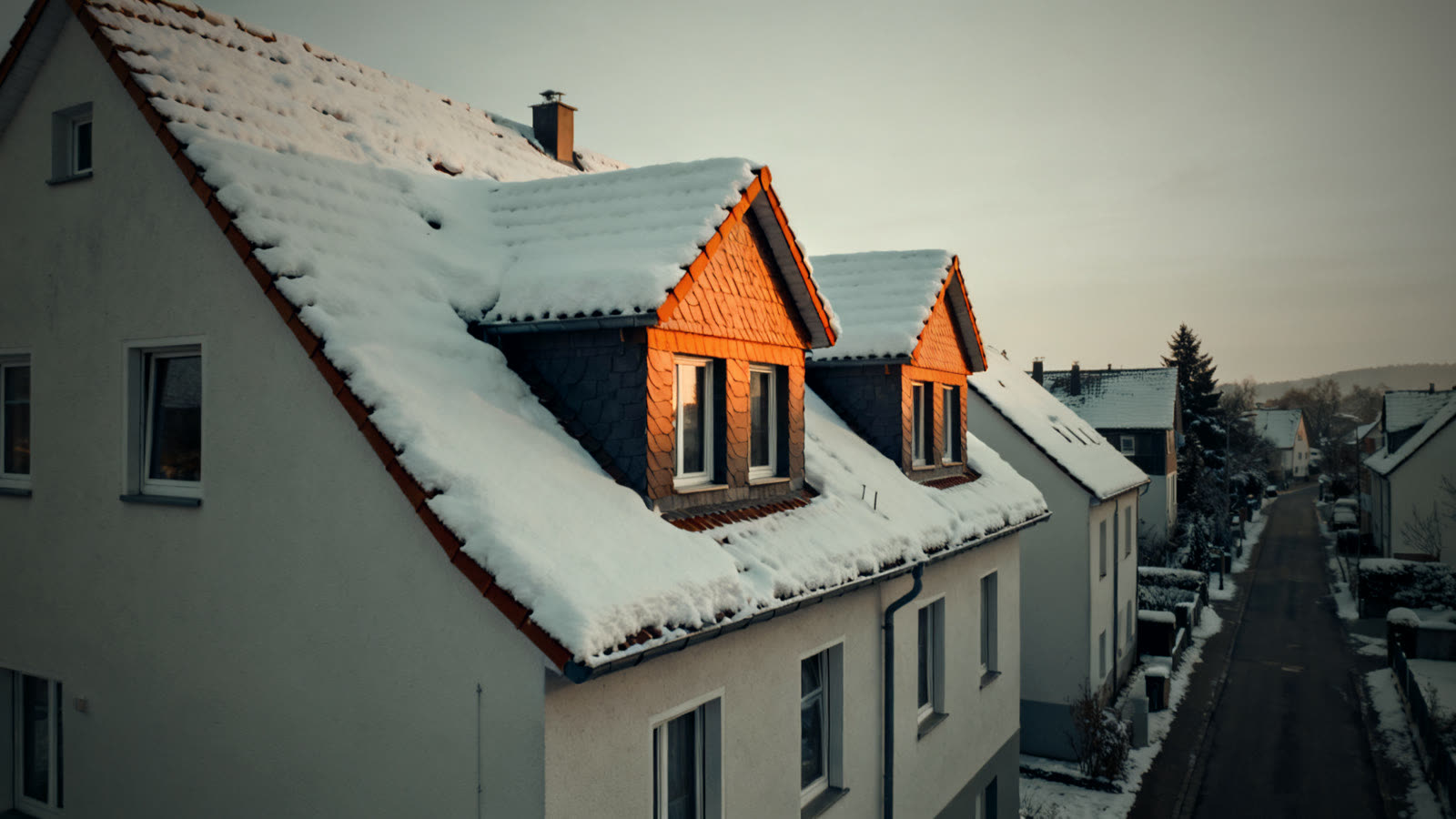
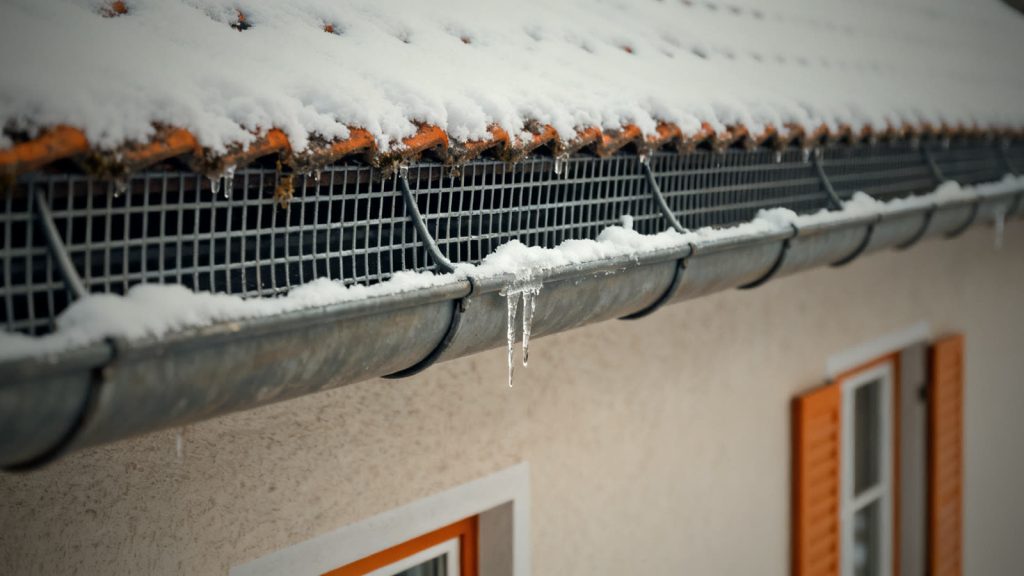
Snow is heavy, and the longer it snows, the more weight builds up on your roof. The BBK (Germany’s Federal Office of Civil Protection and Disaster Assistance) points out that flat roofs and wide-span ceilings are especially at risk under snow load. For such structures, the BBK recommends measures to distribute the load.
When it comes to snow load on the roof, take the guidance seriously, and leave any assessments you can’t make with confidence to the professionals. If your house has a flat roof or wide spans, you should look into load distribution before winter. A blanket answer about what your building needs can’t be given from a distance.
Roof Avalanches and Icicles
Snow can slide off the roof as a roof avalanche, and icicles can fall. To protect against roof avalanches, the BBK recommends snow guards. Keep this in mind if there are paths, entrances, or areas where people spend time beneath your roof that could be at risk when snow slides off.
Important for everyday life: stay away from sloped roof surfaces when snow or ice is lying on them. The reason is falling snow slides and icicles. This applies to you just as much as to children and visitors. A quick glance upward before you enter or leave a building costs nothing and sharpens your awareness.
Securing Your Roofing
The roofing itself is also part of a winter check. The BBK recommends securing it with storm hooks and sufficient nailing. If you’re not sure whether this is the case for your roof, ask a roofer. You can find more about how to act in windy and stormy weather in the article Storms and Severe Weather: What to Do.
Don’t Clear Snow Off the Roof Yourself
When there’s a lot of snow, it’s tempting to climb onto the roof yourself. But because of the risk of slipping and collapse, you should not clear snow off the roof yourself. If snow keeps falling for a long time, get professional help instead, such as a roofer or the fire department.
This isn’t a sign of weakness, but the safe way to handle it. A fall from the roof or a collapse of the roof surface is a risk you can avoid with a little patience and a phone call. So think ahead, before winter, about who you would call if it comes to that.
Slippery Surfaces and Ice: Take Care Outside and Around the House
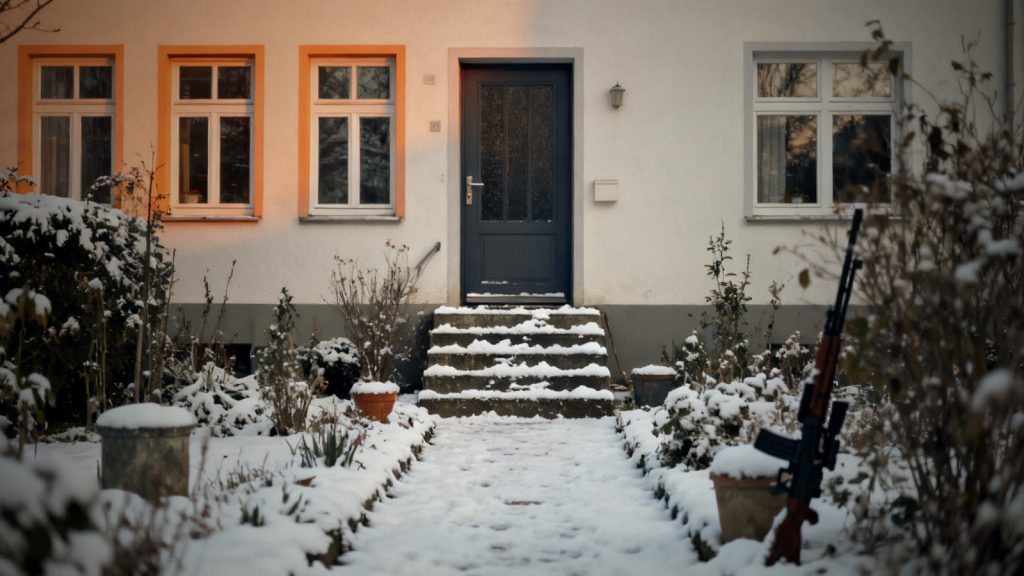
Snow and ice make walkways slippery. The BBK urges caution in snow and ice to avoid accidents and falls. If someone is injured, call the emergency number 112. This simple principle applies on the way to your front door just as much as when you’re out and about.
Moving Safely in Snow and Ice
In winter weather, assume that surfaces may be slippery, even if they look harmless at first glance. Walk slowly, allow more time, and avoid unnecessary trips. This fits the BBK’s recommendation to stay home if possible when there are warnings about heavy snowfall and black ice.
If you have to be outside, the right clothing helps against the cold. You can find out how to dress sensibly in the article The Layering Principle: How to Dress Right in Cold Weather.
Caution on Frozen Surfaces
Frozen lakes and ponds are tempting, but risky. Only step onto ice if it has been officially cleared for use. That clearance is the prerequisite. In addition, the layer of ice must be at least 15 cm (about 6 in) thick, but thickness alone does not replace the clearance.
Never go onto the ice alone. If it creaks and cracks, leave it immediately. Pass these rules on to the children and teenagers in your family too, so they know what matters.
Children and Playing in the Snow
Children love snow, but there are risks here as well. The BBK recommends warning children about the dangers of playing with snow and hard snowballs. Talk to them calmly about it, without taking away their fun. Also explain to them that they should stay away from roofs with snow and icicles.
Heating, Supplies, and Warnings for Cold Days
A winterized home stays livable even when the weather turns harsh outside. This includes a plan for power, a supply of essentials, and keeping an eye on official warnings. You can prepare all three with a manageable amount of effort.
Plan for Backup Power for Your Heating System
The BBK (Germany’s Federal Office of Civil Protection and Disaster Assistance) recommends planning for an emergency power supply for your heating system. Think about which parts of your heating system need electricity and what would happen in a power outage. Then find out what options exist for your home.
If the power goes out, clear first steps help. Our article Power Outage: How to Act Correctly in the First 24 Hours describes what to do in the first hours. You can read how to keep your home warm when the heating fails in Keeping Your Home Warm When the Heating Fails.
Stock Up on Food and Drinks
To prepare for weather warnings, the BBK advises stocking up on food and drinks. When roads are icy or covered in snow, shopping can become harder. A well-stocked supply takes the pressure off having to head out again in bad weather.
The article Long Shelf-Life Foods shows you how to build up a sensible supply. Also check whether you have drinks at home that you can use without any effort.
Keep an Eye on Warnings
The BBK recommends paying attention to weather warnings about heavy snowfall and icy conditions and, if possible, staying at home. The homepage of the Deutscher Wetterdienst (German Meteorological Service) links to current official warnings. There you can check the warning status for your region.
You can find out more about the ways warnings can reach you in the article Public Warnings: NINA, Cell Broadcast, Sirens. Checking the warning status regularly takes little time and helps you adjust your routes and plans in good time.
Frequently Asked Questions
What does it take to winterize a house?
According to BBK recommendations, this includes a secured roof covering, precautions against snow load and roof avalanches, caution around snow and ice, a planned emergency power supply for the heating system, and a supply of food and drinks.
Should I clear snow off the roof myself?
No. Because of the risk of slipping and of roof collapse, you should not clear snow off the roof yourself. In case of prolonged snowfall, get professional help, such as a roofer or the fire department.
How do I protect myself from roof avalanches?
To protect against roof avalanches, the BBK recommends snow guards. In addition, stay away from sloping roof surfaces with snow or ice on them, because snow slides and icicles can fall.
What does the BBK recommend in cold weather and snowfall?
The BBK advises heeding weather warnings, staying at home if possible, and stocking up on food and drinks. Caution is advised in snow and ice. If anyone is injured, call the emergency number 112.
Can I walk on frozen lakes?
Only if the ice surface has been officially cleared for use. In addition, the layer of ice must be at least 15 cm thick. Never go onto the ice alone, and leave it immediately if it creaks and cracks.
What to Do Now: Your Action Steps
You don’t have to do everything at once. This order helps you keep track.
- Check whether your roof covering is secured with storm hooks and sufficient nailing.
- If you have a flat roof or a wide span, find out about measures for load distribution.
- Consider whether snow guards against roof avalanches are an option for your home.
- Write down the number of a roofer in case of prolonged snowfall.
- Talk with children about snow, snowballs, roofs with icicles, and icy surfaces.
- Plan an emergency power supply for your heating system.
- Check your supply of food and drinks.
- Check the warning status for your region on the homepage of the Deutscher Wetterdienst.
Once you have worked through these points, you are well prepared. Stay alert in snow and ice, keep your distance from roofs, and listen to weather warnings. That way you can approach the cold season with a calm plan.
Sources and Further Information
General information, no substitute for individual advice from authorities, emergency services or medical professionals. In an emergency in Europe: 112.