📌 Part of the guide: Packing a Go Bag: Checklist, Documents, and Family Plan
Protection against break-ins during power outages relies primarily on mechanical security measures: Police recommend certified, professionally installed locks on doors and windows. Alarm systems are a supplement, but not a replacement. Here you’ll learn what police and BBK (Germany’s Federal Office of Civil Protection and Disaster Relief) say about this and what you can check at home at your own pace.
What applies to your home during a power outage
Germany’s Federal Office of Civil Protection and Disaster Relief (BBK) describes the consequences straightforwardly: refrigerators and stoves stop working, lights and heating no longer function. Water no longer comes from the taps, and internet and mobile communications are disrupted. Anyone thinking about safety in their own home should keep this list in mind, because any technology that depends on electricity, internet, or mobile communications can be affected.
Regarding duration, BBK says: power outages are usually fixed within a few hours. In emergency situations with widespread damage, it can sometimes take days. BBK lists causes including accidents, construction defects, and extreme weather events such as storms, flooding, snowfall, or avalanches. Additionally, there are intentional disruptions such as sabotage or cyberattacks.
This doesn’t mean you should worry, but it is reason to prepare. You can’t influence how long an outage lasts. But you can clarify beforehand what in your home will still work without grid power. An overview of the consequences can be found in the article What fails during a power outage?. This article focuses on the question of how you can make access to your home more difficult.
Protection against break-ins during power outages: the basic principle
Police cite the basic principle of burglary prevention: if an opportunistic offender cannot get into a property within three to five minutes, they will typically abandon the attempt. This figure explicitly refers to opportunistic offenders and is not a statement about all perpetrators. Still, the thinking behind it is helpful: the goal is not to make a house impenetrable, but to make access more difficult and costly in terms of time.
For protection against break-ins during power outages, this provides useful guidance. You don’t need to cover every conceivable scenario. Instead, ask yourself: where could someone get into my home, and how long would it take? This is best answered by looking at doors, windows, and other points of entry.
Mechanical security measures as the foundation
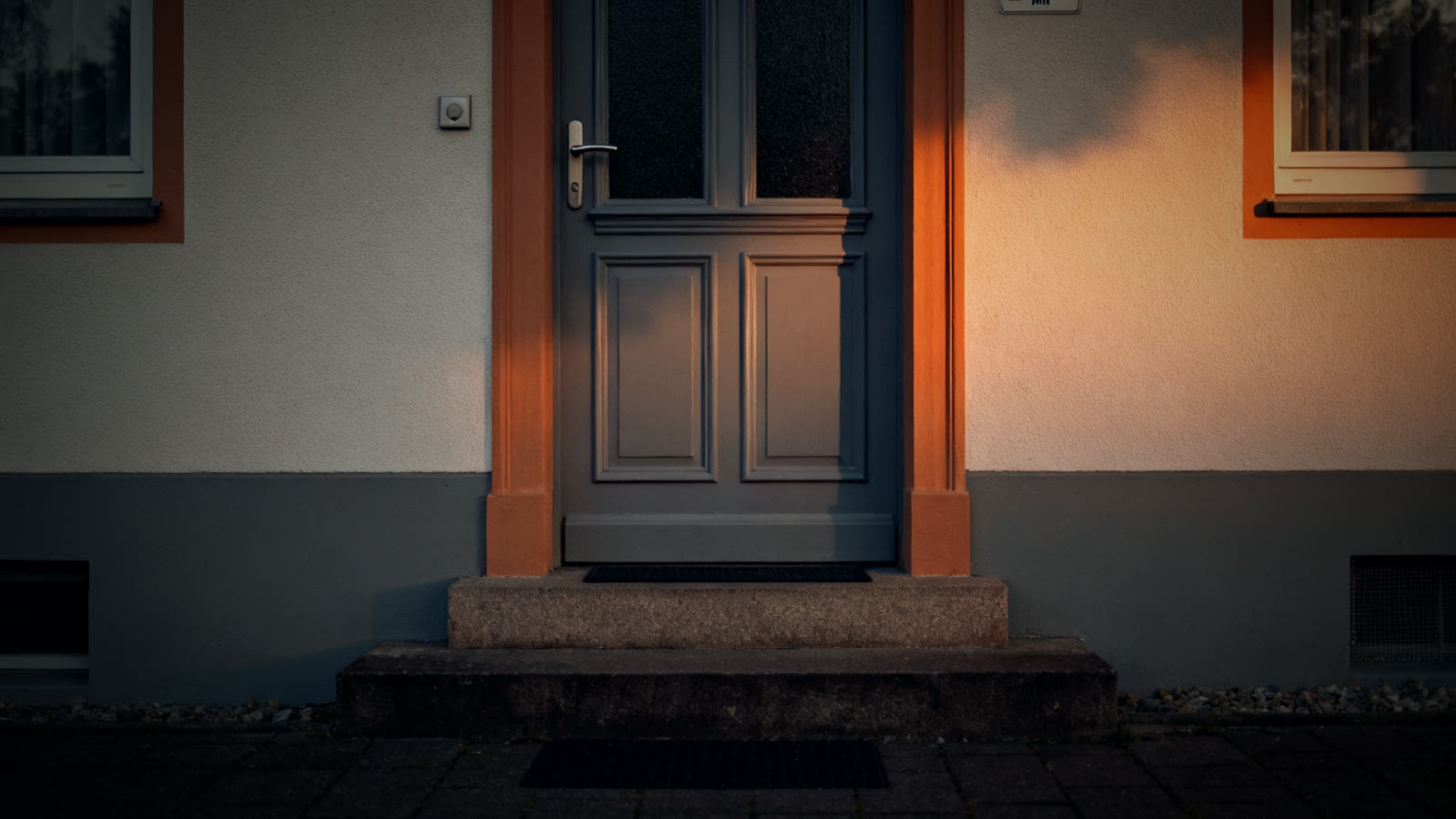
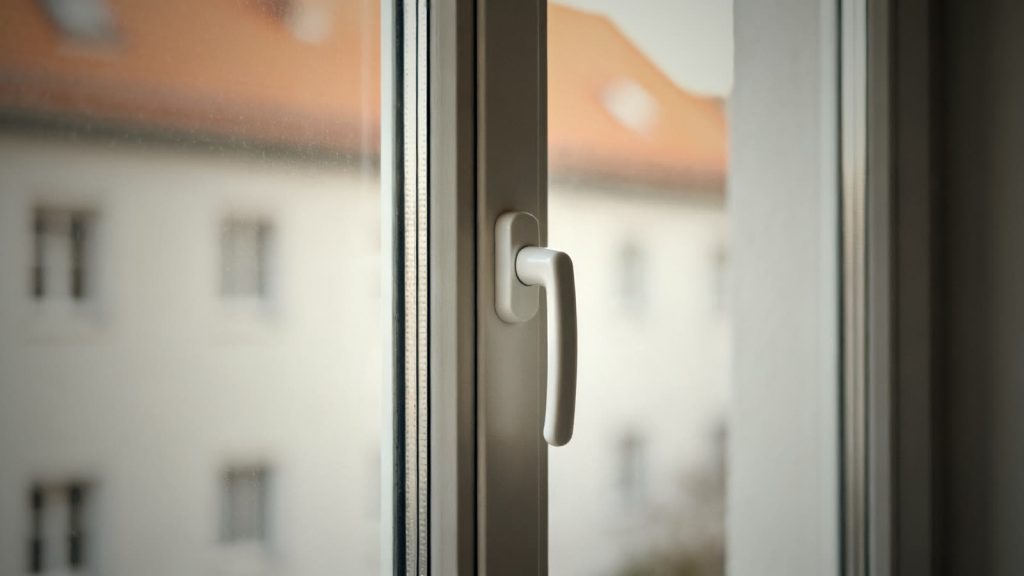
Police recommend certified, professionally installed mechanical security measures on doors and windows. Two keywords are important here: certified and professionally installed. The product alone is not enough; it must also be properly installed. Therefore, seek professional advice before adding any upgrades. This applies to owner-occupied homes as well as rental apartments, where changes need to be coordinated with the landlord anyway.
These questions can help you during a walkthrough of your home:
- Front doors and apartment doors: What security measures are in place, and are they professionally installed?
- Windows and balcony doors: Are there security measures, and are they certified?
- Cellars, secondary entrances, and rear access points: Are less visible areas also considered?
- Professional advice: When did you last speak with a specialist about the condition?
What solution makes sense for your home depends on the building, location, and living situation. Local criminal police advisory centers and certified installers can advise you individually. You’ll also find tips for smaller apartments in the article Emergency preparedness in a rental apartment with limited space.
Security Alarm System: What You Should Clarify for a Power Outage
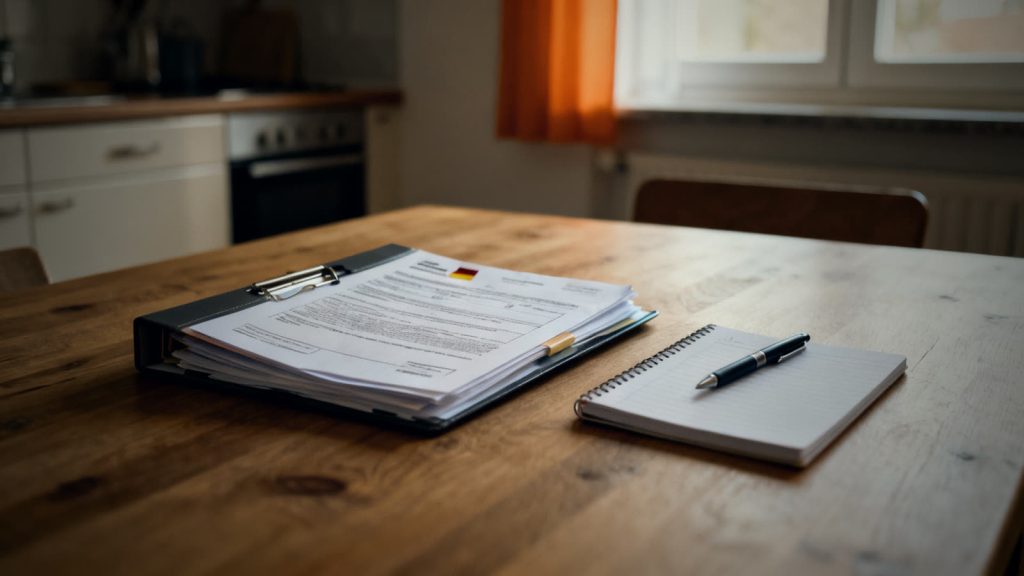
Police view alarm systems as a complement to mechanical security measures, not as a replacement. If you have a system, it’s useful to know its behavior during a power outage in advance. Whether and how long it works without grid power depends on its design and equipment. Blanket operating times cannot therefore be stated. Detailed information is found in your system’s documentation or can be obtained from the installer.
Questions About Your System
Take some time on a quiet evening and go through the following points. Write down your answers so you don’t have to search for them later:
- How is the system powered if the home’s electrical supply fails?
- Does the system report alarms via internet or mobile network? The BBK (Germany’s Federal Office of Civil Protection) points out that both can be disrupted during a power outage.
- Which components require additional power or network connection, such as a router, radio modules, or smartphone control?
- Who is notified when an alarm occurs, and by what means?
These questions are not a criticism of alarm systems. They simply help you understand the limitations of your own system. If you can’t answer a question, the installer or an advisory service can help.
If you don’t have an alarm system, that’s not a failure. Police explicitly call it a supplement. What matters more is that your mechanical security foundation is solid and you know where you can get advice.
Lighting and Electrical Door Components Without Grid Power
When the power goes out, according to the BBK, lighting no longer works. This affects lighting inside the house, but may also affect exterior lights connected to the home’s electrical system. Therefore, consider which light sources in your home operate independently of the grid. As a precaution, the BBK recommends charged batteries and power banks. How to properly select flashlights and headlamps is covered in the article Flashlight and Headlamp: Choosing Correctly.
Which exterior light is suitable for your house is an individual question. Get advice if needed and check before purchasing how the device is powered. Then you’ll know in an emergency what to expect from it.
Caution with Candles
Candles are a possible light source. The BBK points out that regular ventilation is important when using candles as a light source. Especially during a prolonged outage, you should use open flames carefully. You’ll find basic information on this topic in the article Fire Safety at Home.
Electrical Door Components
Besides the lock, there’s often technology that requires power, radio, or internet connection. This can include electric door openers, intercoms, smart home locks, or access control systems in multi-family buildings. How they behave during a power outage cannot be generalized. It depends on the product and installation.
Therefore, find out how your door components behave without grid power. Check the manual, contact the manufacturer, ask your building management, or ask the installer. Most importantly, you yourself must always know how to get in and out of your home. Questions about emergency exits and emergency openings are best discussed with professionals.
- Which door components in your home require power, radio, or internet?
- Is there an emergency opening procedure for these components, and who knows about it?
- Who in your household knows how to operate the front door without grid power?
Stay Calm and Make Plans
A power outage can be unsettling for many people, especially in the dark. Having a plan in place beforehand helps. When you know how your door is secured, what to expect from your alarm system, and where your lights are, you’ll act more calmly. The article Stay Calm in an Emergency offers helpful guidance on this.
Discuss this topic with your household so everyone is on the same page. This is especially important if you have children or elderly relatives living with you. Together, clarify who takes on which task and who you’d consult for advice in case of doubt. The articles Hand Crank Radios and Stay Informed Without Internet explain how to get information without the internet. The BBK (Germany’s Federal Office of Civil Protection and Disaster Relief) recommends having a battery-powered or hand crank radio for emergency broadcasts.
In case of immediate danger, call emergency services just as you normally would. Since mobile networks can be disrupted during a power outage, it makes sense to think beforehand about how you’d get help in an emergency. The article Power Outage: Handling the First 24 Hours Properly offers guidance for the initial period.
Frequently Asked Questions
How Do I Protect Against Break-ins During a Power Outage?
Police recommend certified, professionally installed mechanical locks on doors and windows. Alarm systems are a supplement. Consult with a crime prevention advisory center or a certified installer if you have questions.
Will My Alarm System Work During a Power Outage?
This depends on the type and configuration of your system and cannot be answered in general terms. Check your documentation or ask your installer how the system operates without power and how it reports alarms. According to the BBK (Germany’s Federal Office of Civil Protection and Disaster Relief), internet and mobile networks can be disrupted.
Does an Alarm System Replace Mechanical Locks?
No. Police consider alarm systems a supplement to mechanical locks, not a replacement.
How Long Do Opportunistic Burglars Try?
According to police, an opportunistic burglar typically gives up if they can’t get into the property within three to five minutes. This applies to opportunistic burglars only, not all offenders.
Where Can I Get Individual Advice?
Local crime prevention advisory centers and certified installers provide individual advice. Additional resources are polizei-beratung.de, k-einbruch.de, and qsn-einbruchschutz.de.
Your Next Steps
You don’t have to do everything at once. Work through the steps calmly one at a time:
- Get an overview of the mechanical locks on your front door, apartment door, windows, and balcony doors.
- Consult with a crime prevention advisory center or a certified installer about any gaps in your security.
- Clarify how any existing alarm system and electrical door components function without power.
- Consider which light sources in your home work independently of the power grid.
- Keep a battery-powered or hand crank radio on hand, as recommended by the BBK (Germany’s Federal Office of Civil Protection and Disaster Relief).
- Discuss with your household how you’ll respond during a power outage.
Protecting against break-ins during a power outage is not a one-time project but part of your emergency preparedness. Build it up step by step, for example with the article Prepared in 30 Days.
Sources and Further Information
General information, no substitute for individual advice from authorities, emergency services or medical professionals. In an emergency in Europe: 112.