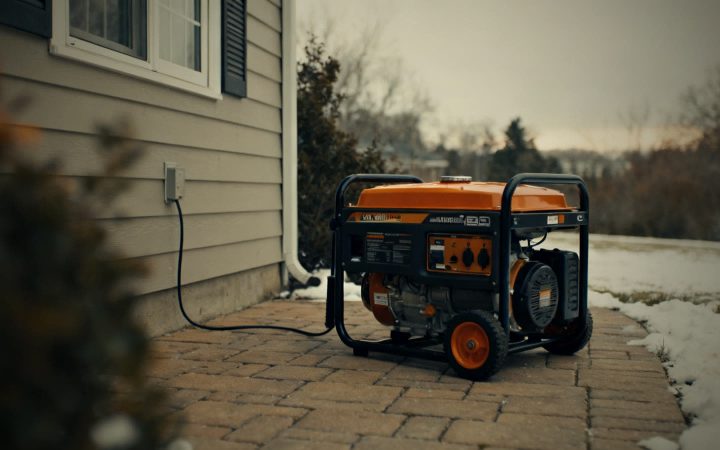
Flashlight, radio, smoke detector, fever thermometer – in an emergency, a surprising amount depends on small batteries. That’s why the BBK (Germany’s Federal Office of Civil Protection and Disaster Assistance) recommends keeping spare batteries and charged rechargeable batteries on hand. But batteries that are stored the wrong way can be dead, leaking, or even dangerous just when you need them. A few simple rules will help you avoid that.
Batteries vs. rechargeable batteries – what’s the difference?
- Alkaline batteries are the classic single-use batteries. They discharge only slowly in storage, which makes them well suited for an emergency supply.
- Lithium single-use batteries in AA or AAA size are lighter, more resistant to cold, and have a long shelf life, but they cost more.
- NiMH batteries are rechargeable cylindrical cells. Modern low self-discharge versions, often labeled as pre-charged or “ready to use,” hold their charge for a long time. Panasonic, for example, states that eneloop rechargeable batteries still retain about 70 percent of their charge after ten years of storage.
- Lithium-ion batteries are found in smartphones, power banks, headlamps, and power stations. They are powerful, but they require special care.
The Umweltbundesamt (Germany’s Federal Environment Agency) advises using rechargeable batteries instead of single-use batteries wherever possible. Depending on the type, they can be recharged roughly 200 to 1,000 times. For emergency preparedness, a mix makes sense: rechargeable batteries for everyday use and a stock of single-use batteries as a backup that is ready to go right away, even without power.
The right environment
Batteries and rechargeable batteries like it cool, dry, and steady. The Umweltbundesamt names a storage temperature of 10 to 25 degrees as optimal for lithium batteries and rechargeable lithium batteries. A few rules follow from that:
- Not in the refrigerator: This old tip is stubborn, but it’s outdated. Moisture and condensation do more harm than the cold does good.
- Not in the heat: Don’t store them next to a heater or oven, or in a car in summer. Heat speeds up aging and can become dangerous with lithium batteries.
- Store in a dry place: Damp basements or garden sheds are unsuitable.
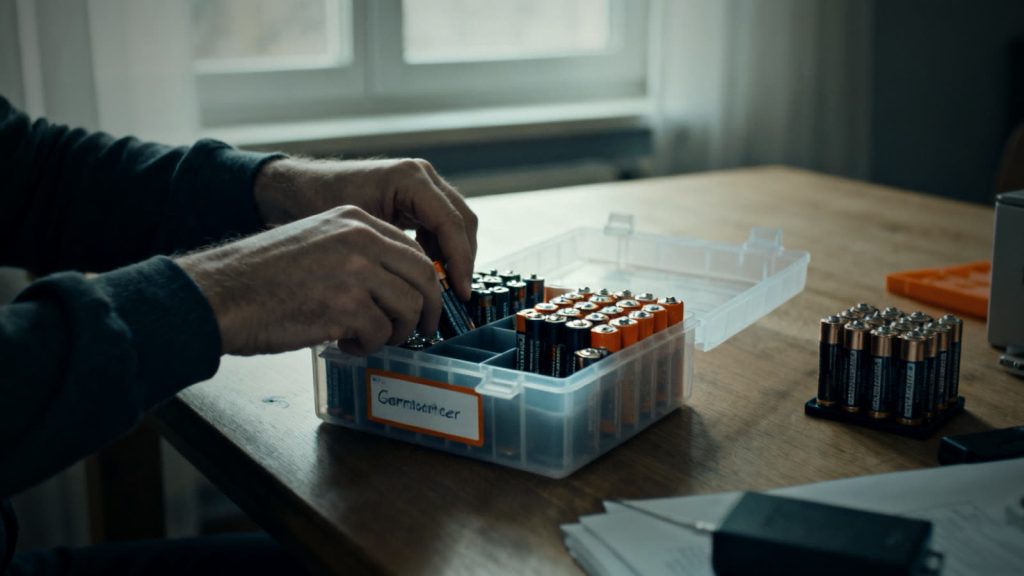
- In the original packaging or a battery box: This keeps the terminals from touching. Loose batteries in a drawer together with keys or coins can cause short circuits.
Don’t leave batteries in the device
Devices you rarely use should be stored without batteries inserted. Single-use batteries can leak over time and destroy the contacts – then, in an emergency, not just the battery but the entire flashlight is useless. Put the matching batteries in a small bag right next to the device, or use the transport lock on flashlights. One exception is smoke detectors and other devices that need to be ready at all times.
Handle Lithium Batteries with Extra Care
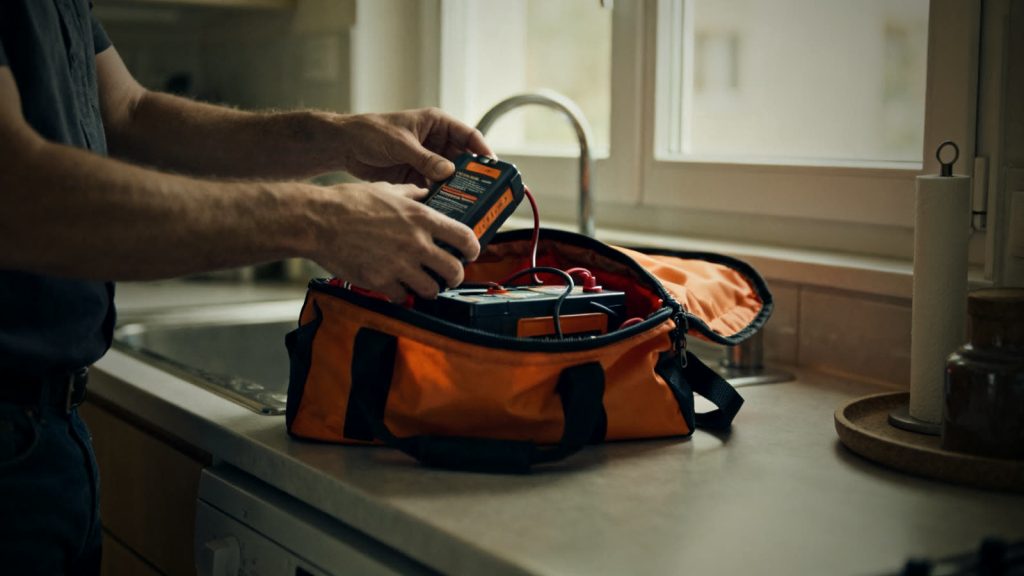
For lithium-ion batteries, the German Environment Agency (Umweltbundesamt) recommends not letting them drain completely and, ideally, charging them only up to 90 percent. For longer storage, keep them at about half charge and avoid deep discharge. For long-term storage, such as a power bank in your emergency go bag, the following applies:
- Don’t store them completely empty or kept fully charged all the time. The manufacturer’s recommended storage charge level takes priority.
- Check the charge level every few months and recharge if needed.
- Only charge with the matching charger, never unattended, and never near flammable materials.
- Immediately remove swollen, deformed, hot, or damaged batteries from use. Don’t open them and don’t keep using them.
Keeping Your Supply Organized
In training, we learned: gear you can’t find is gear you don’t have. That’s especially true for batteries.
- Take inventory: Which devices in your household need which size? Write it down in a list.
- Reduce sizes: When buying new emergency devices, choose ones that use the same battery types if possible, ideally AA. Then a single shared supply is enough.
- Watch the shelf life: The packaging shows a date up to which the manufacturer states the batteries can be stored. Following the “first in, first out” principle, you use the oldest ones first and restock new ones at the back.
- Check regularly: Twice a year, for example when the clocks change, charge rechargeable batteries, test flashlights, and replace expired batteries.
Disposing of Batteries Properly
Batteries and rechargeable batteries must never go into household trash, recycling bins, or scrap metal containers. The crossed-out wheelie bin symbol is a reminder of this. Retailers that sell batteries are required to take back used batteries free of charge – you’ll find the collection boxes in supermarkets, drugstores, and hardware stores. Recycling centers accept them as well. For lithium batteries, the Umweltbundesamt advises taping over the terminals before drop-off to prevent short circuits and fires. It’s best to hand in damaged batteries directly at the recycling center and let the staff know.
Only touch leaked batteries while wearing gloves. Wipe up the residue with a damp cloth and wash your hands afterward, as the Umweltbundesamt also recommends. Slightly soiled contacts in the device can often be cleaned carefully.
In short: Store batteries in a cool, dry place in a single box – not in the refrigerator, not in the heat. Keep rarely used devices without batteries inside and check your supply twice a year. Always take used batteries to a collection point, and tape over lithium terminals first.
Matching Gear Compared
| Produktbild bei AmazonBudget entry pointAmazon Basics AA-Akkus 2000 mAh (12er) | Produktbild bei AmazonBrand-name batteryVARTA Recharge Accu Power AA 2600 mAh | Produktbild bei AmazonHigh capacityGranicell AA-Akkus 2800 mAh (16er) | |
|---|---|---|---|
| Rating | at least 4.3 out of 5 starswith 500+ customer reviews (our selection criterion)See current reviews* | at least 4.3 out of 5 starswith 500+ customer reviews (our selection criterion)See current reviews* | at least 4.3 out of 5 starswith 500+ customer reviews (our selection criterion)See current reviews* |
| Features |
|
|
|
| Pros |
|
|
|
| Cons |
|
|
|
| View on Amazon* | View on Amazon* | View on Amazon* |
Selected by manufacturer data and customer reviews (at least 4.3 stars with 500+ reviews). We only show exact star ratings when they come from Amazon the same day. As of 04.10.2026. Not tested by us. Current prices and reviews are on Amazon. *Ad · paid link
Conclusion: our product picks
AA Batteries (NiMH) Compared
For stocking up with many devices, the Amazon Basics 12-pack is the affordable foundation. Anyone who needs long runtime per charge and long-term storage should go with the Granicell 2800 mAh. The VARTA batteries are the brand-name choice for individual critical devices like a flashlight or GPS.
Links marked with * are advertising links. As an Amazon Associate I earn from qualifying purchases.
Sources and Further Information
- Umweltbundesamt (German Environment Agency) – Using and Disposing of Batteries and Rechargeable Batteries Properly
- Umweltbundesamt – Safe Handling of Lithium Batteries and Rechargeable Batteries
- BBK (Germany’s Federal Office of Civil Protection and Disaster Assistance) – Preparing for and Responding to a Power Outage
- Panasonic – eneloop Retains 70% Charge for Up to Ten Years
General information, no substitute for individual advice from authorities, emergency services or medical professionals. In an emergency in Europe: 112.