The occasion: According to the PTB (Germany’s national metrology institute, the Physikalisch-Technische Bundesanstalt), daylight saving time ends on the last Sunday in October each year. In 2026, that falls on October 25: at 3 a.m., clocks are set back to 2 a.m. To mark the switch to standard time, the Feuerwehrverband (German fire brigades association) is calling for an information campaign that highlights the danger of carbon monoxide (CO) and improvised heating.
What does this mean for my household?
With the start of the heating season, furnaces, fireplaces, and stoves are running more often again. Carbon monoxide is invisible, odorless, and tasteless, so people cannot detect it with their senses. According to the fire brigades association, the first symptoms resemble a cold. The association names blocked or clogged flue pipes and chimneys, lack of maintenance, and improper use as the main risks.
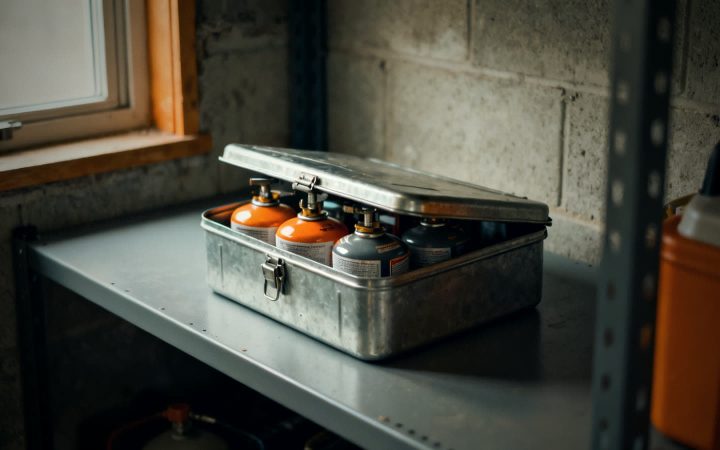
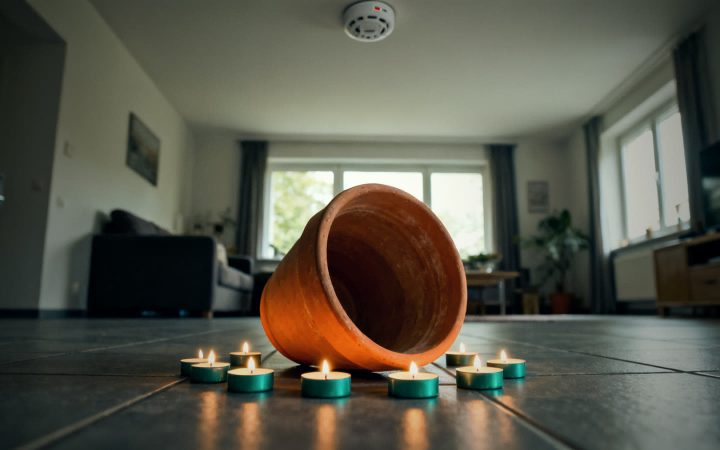
This is especially relevant if you use a fireplace, a stove, or a gas heater. The BBK (Germany’s Federal Office of Civil Protection and Disaster Assistance) recommends CO detectors for gas heating or other fuels. The fire brigades association also points to the new S2k guideline on the diagnosis and treatment of CO poisoning, which states that carbon monoxide alarms make sense in every household. Improvised heating is life-threatening, especially when fuel-burning devices are used indoors. According to the BBK, camping or grill equipment belongs outdoors only.
3 steps for today
- Ask a chimney sweep about chimney maintenance. The fire brigades association recommends having your chimney serviced regularly by a chimney sweep. A short call or message is enough to arrange an appointment.
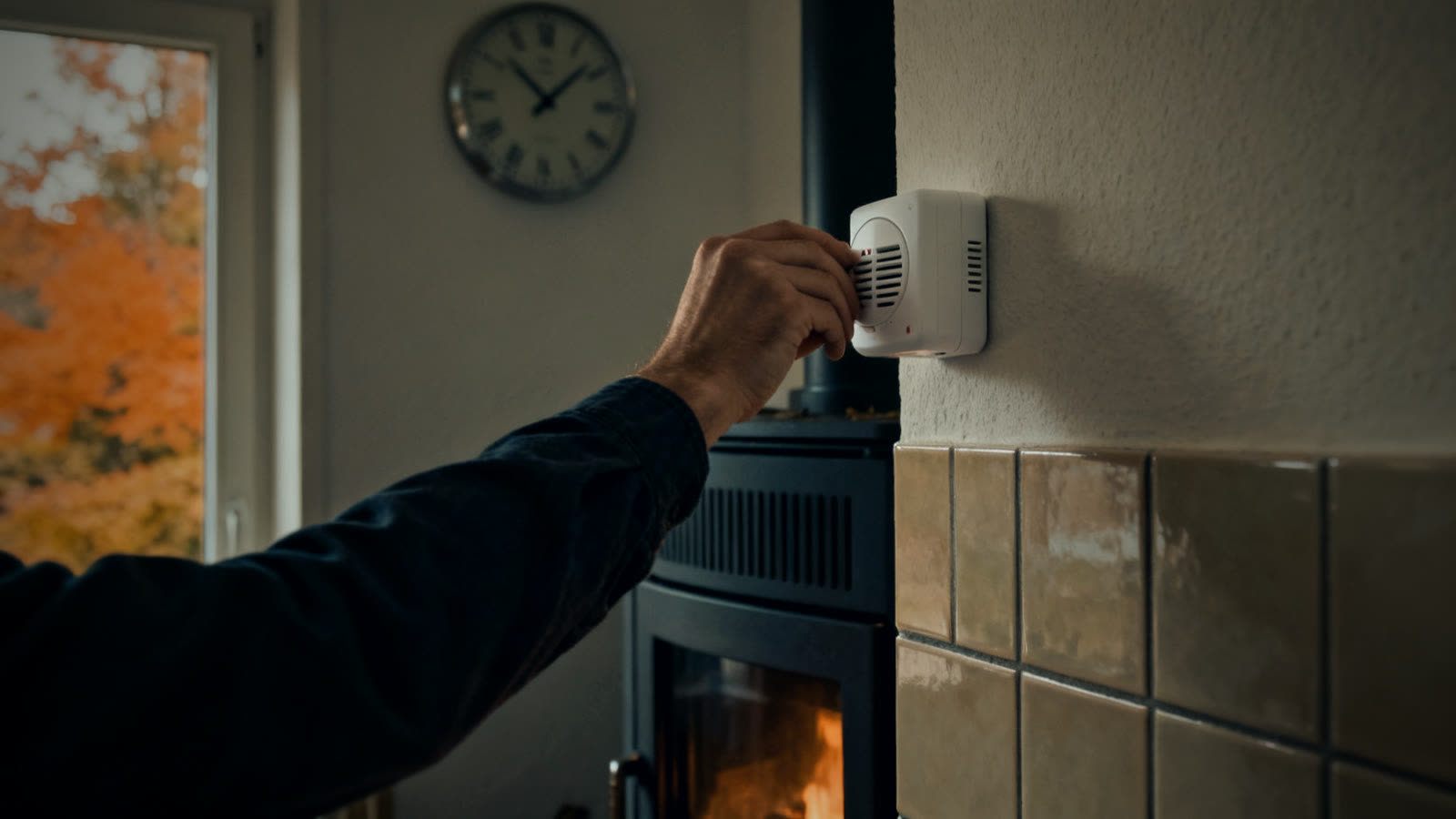
- Decide where to place CO detectors. Detectors are recommended in rooms with fireplaces or stoves, as well as in living areas and bedrooms. Make a note of the rooms where you want to install a detector. According to the campaign, a permanently installed CO detector is the only way to be protected in time. For installation and operation, follow the manufacturer’s instructions.
- Talk through what to do if the alarm goes off. According to the fire brigades association, if the alarm sounds: open the windows, leave the building, and call 112. Briefly go over this with everyone in your household so that everyone knows what to do in an emergency. If you have symptoms, see a doctor or call the emergency number 112.
Further reading
- Carbon monoxide: the invisible danger of emergency heating
- How to keep your home warm during a heating failure
- Checking your emergency supplies: a fixed routine for the clock change
Sources
General information, no substitute for individual advice from authorities, emergency services or medical professionals. In an emergency in Europe: 112.